Simalungun
Horas
The Simalungun live in Simalungun Regency and the city of Pematangsiantar, east and north of Lake Toba. The four original marga are Damanik, Saragih, Purba and Sinaga. The rumah bolon in Pematang Purba, once the seat of the kings of Purba, is now a museum.
- Region
- Kabupaten Simalungun, Pematangsiantar
- Language
- Simalungun
- Kinship
- Tolu Sahundulan
Source: Suku Simalungun — Wikipedia
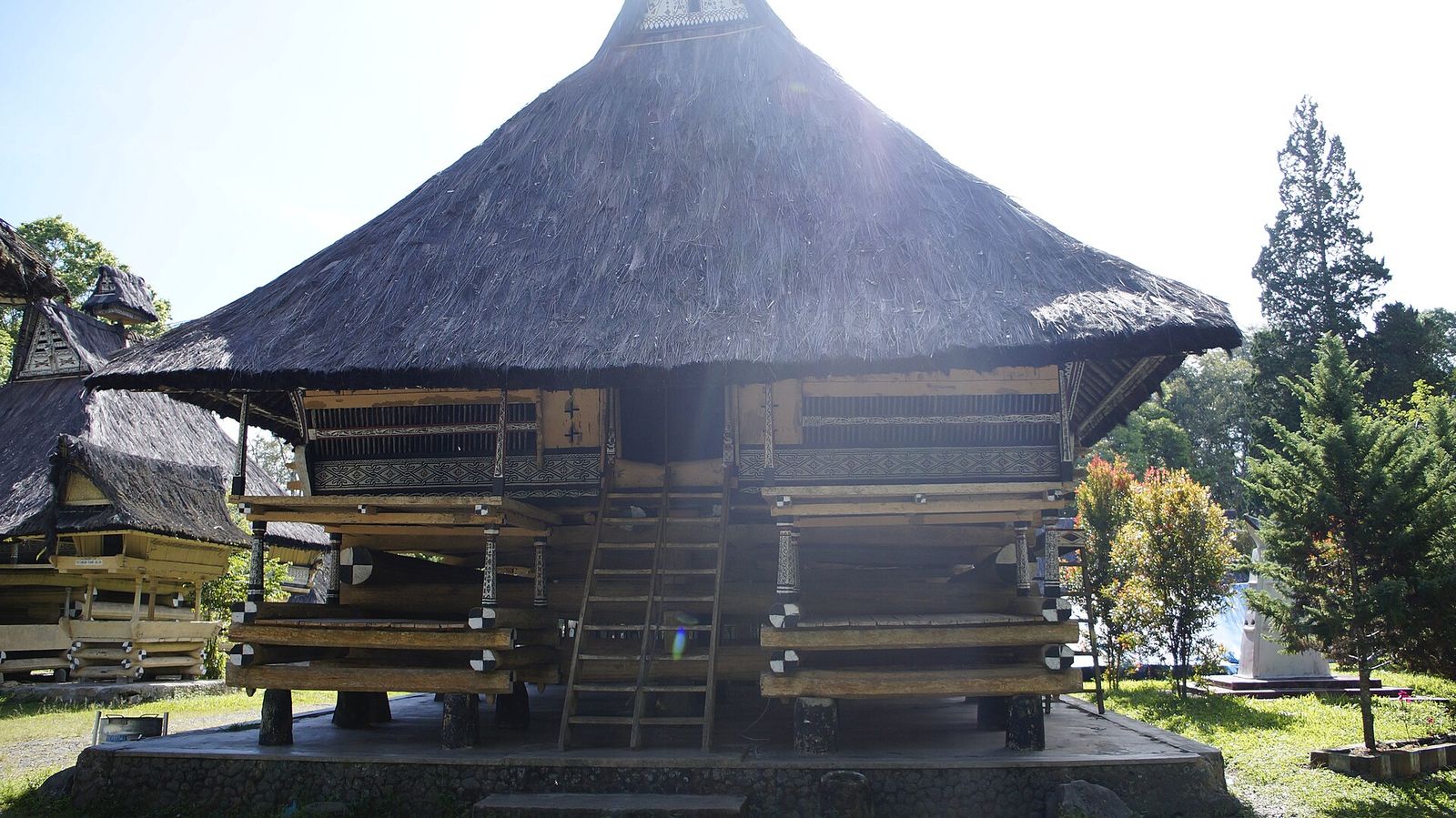 Foto: Ariokh Thio Gunadi Purba ·
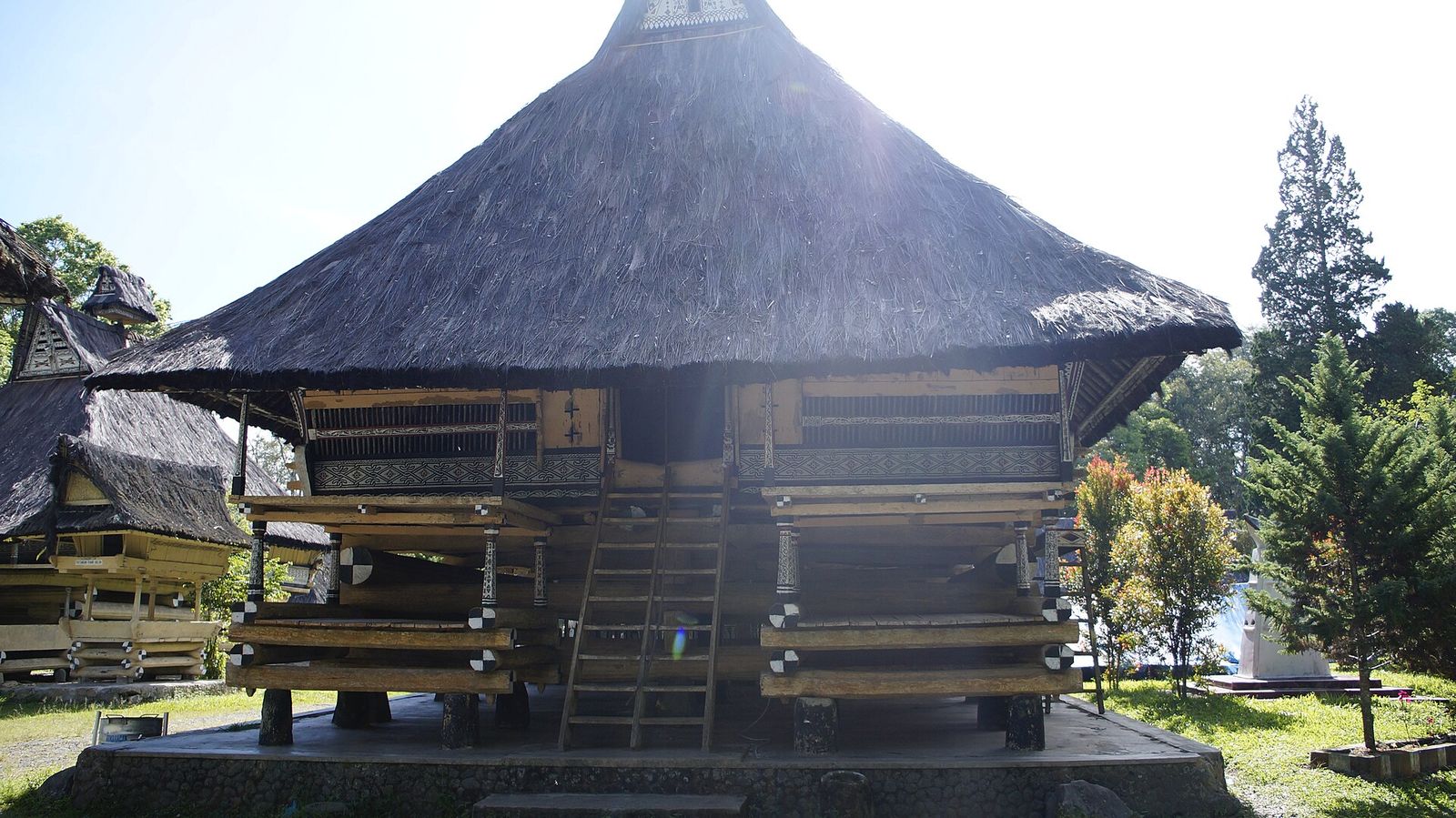 Foto: Ariokh Thio Gunadi Purba ·
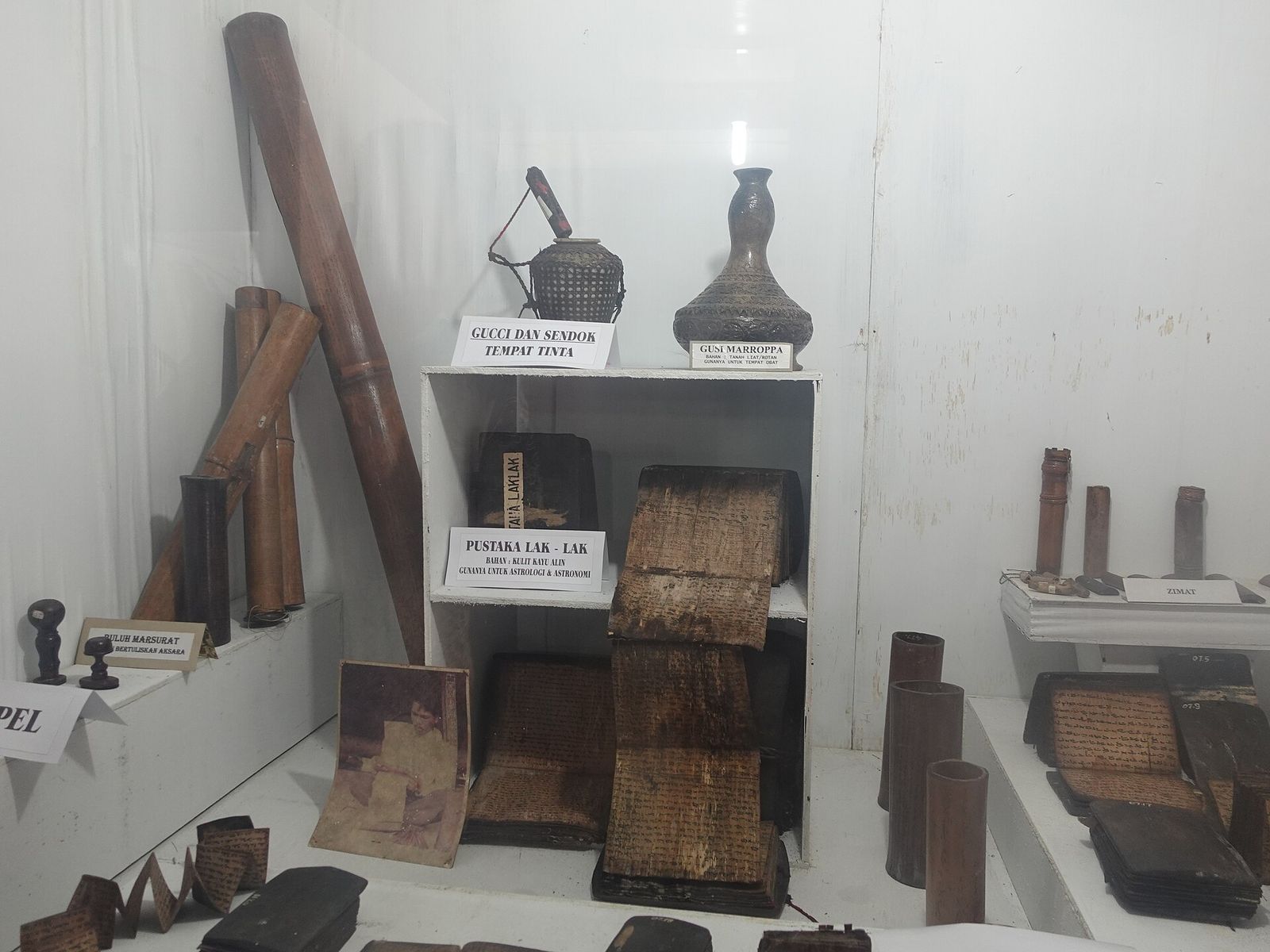 Foto: Lim Natee ·
Culture
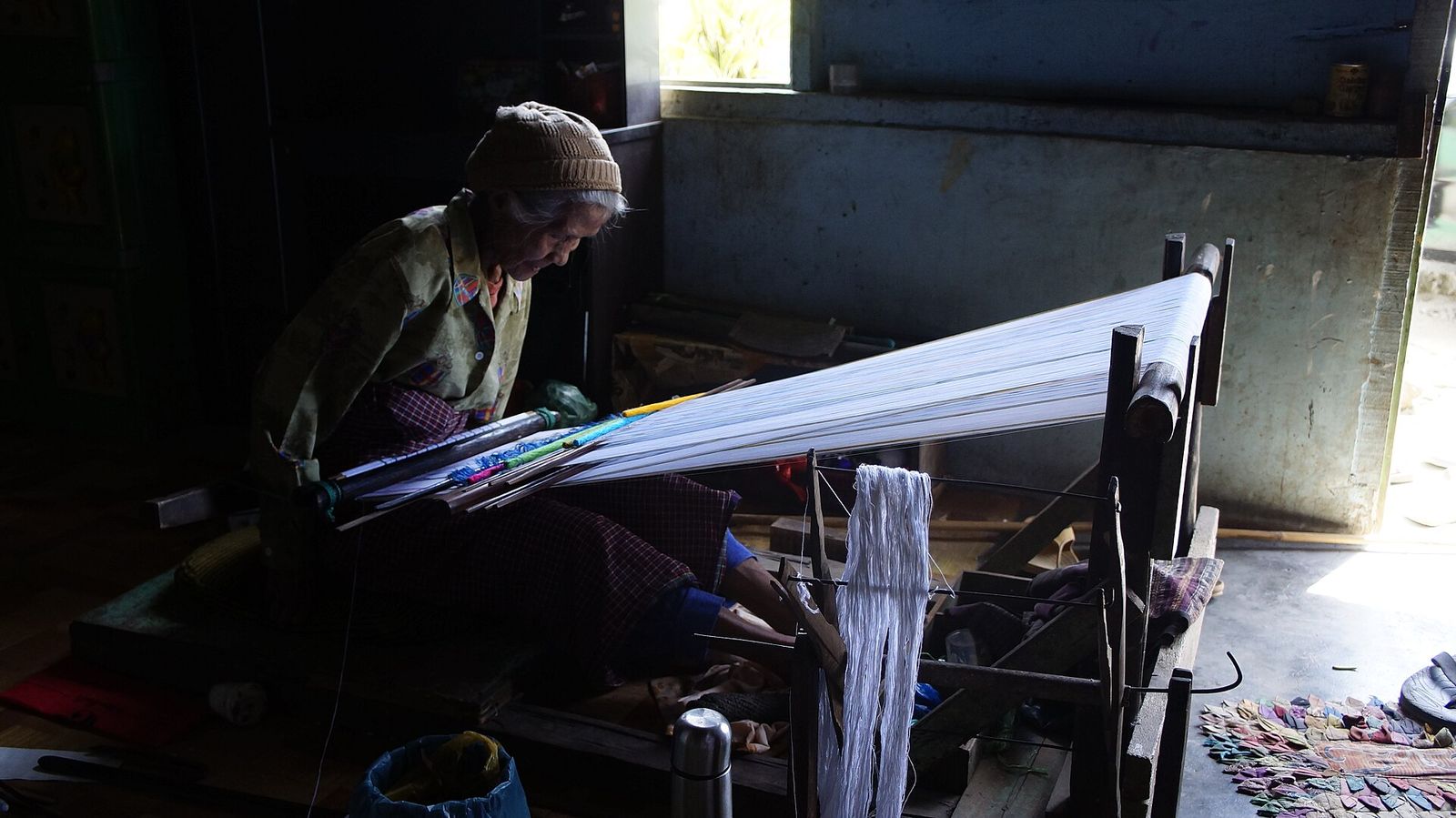 Foto: Ariokh Thio Gunadi Purba ·
Hiou
Hiou is the distinctive woven cloth of the Simalungun, known for its many ornaments and a key part of traditional dress. In traditional life, hiou is also used on important occasions, for example when a baby is taken to the tapian (the communal bathing place) on the seventh day after birth.
Source: Suku Simalungun — Wikipedia · Simalungun people — Wikipedia (en)
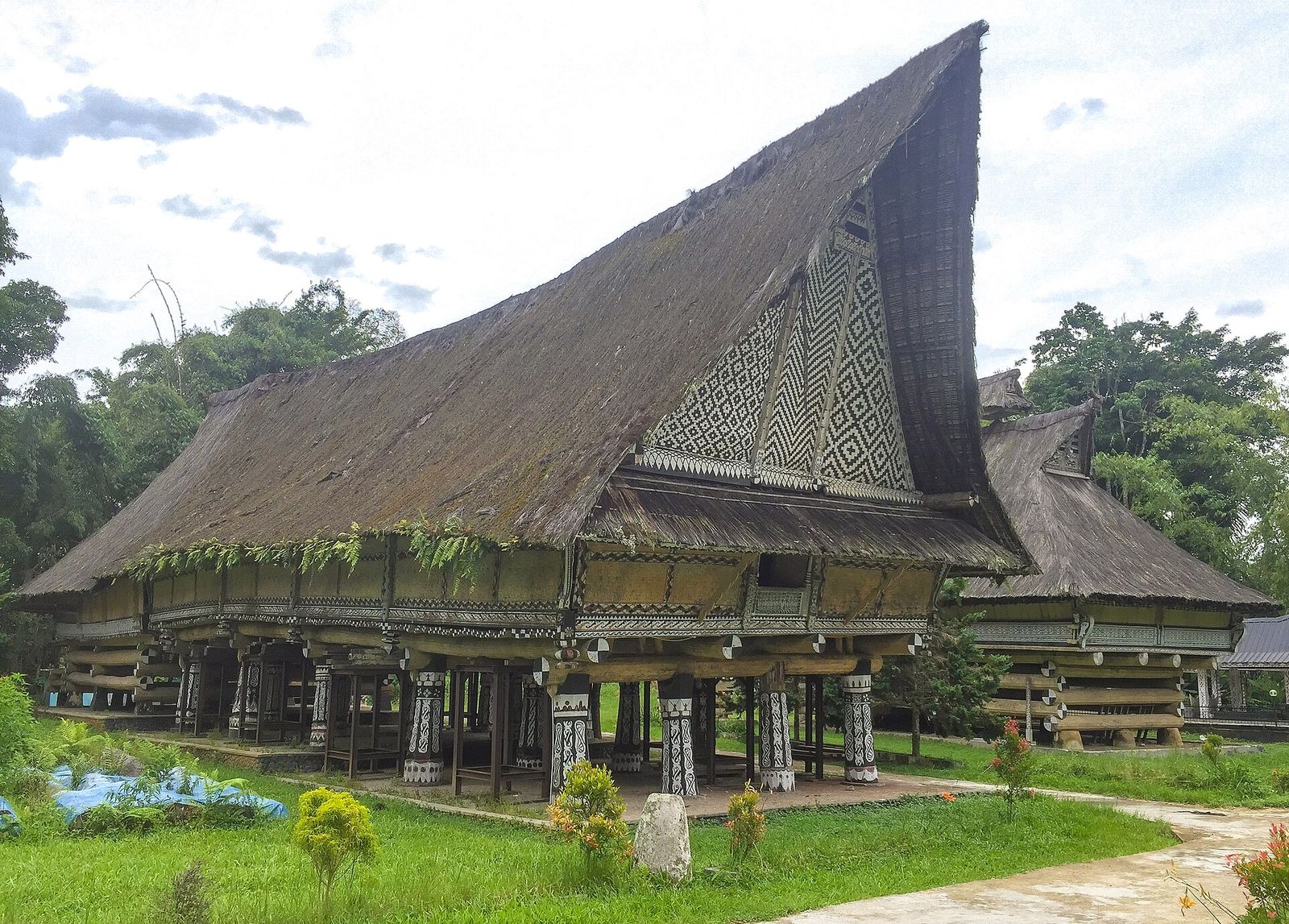 Foto: Christian Advs Sltg ·
Rumah bolon Pematang Purba
The rumah bolon in Pematang Purba is the former residence of the ruling family of the Partuanan Purba, a wooden stilt house with an ijuk-fibre roof built without nails. The building is classed as pinar horbou, always facing the sunrise, with a buffalo-head ornament (pinar uluni horbou) on the roof ridge and the colours white, red and black.
Source: Rumah Bolon Pamatang Purba — Wikipedia · Museum Rumah Bolon Adat Pematang Purba — Wikipedia
Gonrang sipitu-pitu and tortor sombah
Gonrang sipitu-pitu is a Simalungun music ensemble played together with ogung, mongmongan (mingmong), sarunei and sitalasayak (cymbals). It accompanies the tortor sombah, a dance of homage to welcome kings, guests and relatives with a gesture of reverence (marsombah).
Source: Tari Tortor Sombah — Wikipedia · Mongmongan — Wikipedia
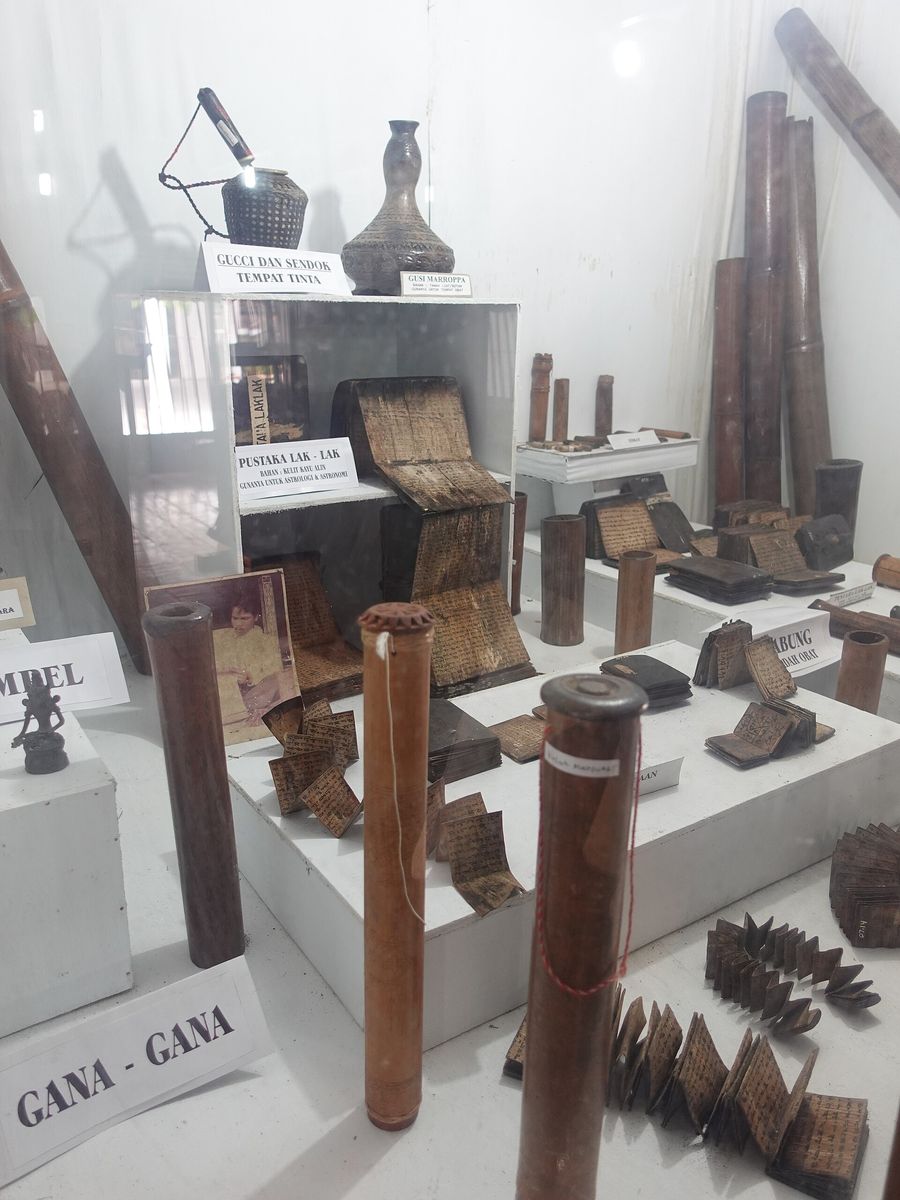 Foto: Lim Natee ·
Surat Sisapuluhsiah
The traditional Simalungun script is called Surat Sisapuluhsiah, a variant of the surat family of scripts descended from Brahmi via the Kawi script. In Simalungun tradition, laments called sumansuman were often incised on bamboo and carved implements. Simalungun manuscripts are kept today in places such as the Museum Simalungun.
Source: Bahasa Batak Simalungun — Wikipedia · Surat Batak — Wikipedia · Museum Simalungun — Wikipedia
Rondang Bintang
Rondang Bintang is a Simalungun thanksgiving festival, held above all after the main harvest and as an occasion for young people to find a partner, celebrated on full-moon nights. Since 1981 the Simalungun Regency government has made it an annual tourism event that rotates between districts, opening with the mamuhun custom (asking permission) from the descendants of the Simalungun kings.
Source: Rondang Bintang — Wikipedia
Marga and hasusuran
The Simalungun have four original marga, known by the acronym SISADAPUR: Sinaga, Saragih, Damanik and Purba. Traditionally, partuturan (kinship) is determined by hasusuran (the ancestral place of origin) and one's role in the adat horja, so people ask "Hunja do hasusuran ni ham?" instead of asking about the marga directly.
Source: Marga Simalungun — Wikipedia · Partuturan (Batak Simalungun)) — Wikipedia
History
-
Before 1888
Harajaon Maropat
Before Dutch intervention, Simalungun was ruled by four kingdoms (Maropat): Siantar, Tanoh Jawa, Panei and Dolog Silou, plus three partuanan, namely Raya, Purba and Silimakuta. These kingdoms were self-governing.
Source: Suku Simalungun — Wikipedia · Rondang Bintang — Wikipedia
-
1888–1904
From Maropat to Marpitu
From 1888 the Dutch began to intervene and later recognised Raya, Purba and Silimakuta as full kingdoms, so Simalungun was ruled by seven kingdoms (Marpitu). In 1904 the Dutch East Indies government signed submission treaties with the Simalungun kingdoms and created the unit Simeloengoen en Karolanden.
Source: Rondang Bintang — Wikipedia · Simalungun people — Wikipedia (en)
-
2 September 1903
Arrival of the mission in Simalungun
German missionary August Theis, on the instructions of Ingwer Ludwig Nommensen, arrived in Simalungun on 2 September 1903, a date now commemorated by the Simalungun church. Later, Djaulung Wismar Saragih compiled the first Simalungun dictionary and campaigned for the use of the Simalungun language in schools.
Source: Simalungun people — Wikipedia (en)
-
1906–1913
The exile of Raja Sang Naualuh Damanik
The 14th king of Siantar, Sang Naualuh Damanik, refused to recognise Dutch rule and was declared no longer recognised by the Besluit of 24 April 1906. On 22 January 1908 he was exiled to Bengkalis Island, where he died on 9 February 1913.
Source: Sang Naualuh Damanik — Wikipedia
-
1937–1940
The founding of the Museum Simalungun
A Harungguan meeting of Simalungun kings and leaders on 14 January 1937 decided to found the Rumah Pusaka Simalungun. The building was completed in December 1939 and inaugurated with a traditional Simalungun ceremony on 3 April 1940.
Source: Museum Simalungun — Wikipedia
-
3 March 1946
Social Revolution
In the Social Revolution in East Sumatra, which began on 3 March 1946, the monarchy in Simalungun was abolished and many members of the royal families were arrested or killed. The Simalungun regard this event as a tragedy; noble titles today are purely ceremonial.
Source: Marga Simalungun — Wikipedia · Simalungun people — Wikipedia (en) · Rondang Bintang — Wikipedia
Tolu Sahundulan
Tolu Sahundulan (tondong, sanina, boru), extended in adat to Lima Saodoran: suhut, tondong, paboru, tondong ni tondong and anak boru jabu (mintori).
The wife-giving side, i.e. the relatives of the wife (called tulang in one source).
Relatives of the same descent or the same marga on the father's side.
The wife-receiving side, i.e. the family of a sister's husband.