Toba
Horas
The Toba live around Lake Toba, on Samosir, in North Tapanuli, Humbang Hasundutan and Toba Regency, and in the diaspora across Indonesia and the world. According to the tarombo, their ancestor is Si Raja Batak of Sianjur Mula-mula at the foot of Pusuk Buhit.
- Region
- Danau Toba, Samosir, Tapanuli Utara, Humbang Hasundutan, Toba
- Language
- Toba Batak
- Kinship
- Dalihan Na Tolu
Source: Suku Batak Toba — Wikipedia
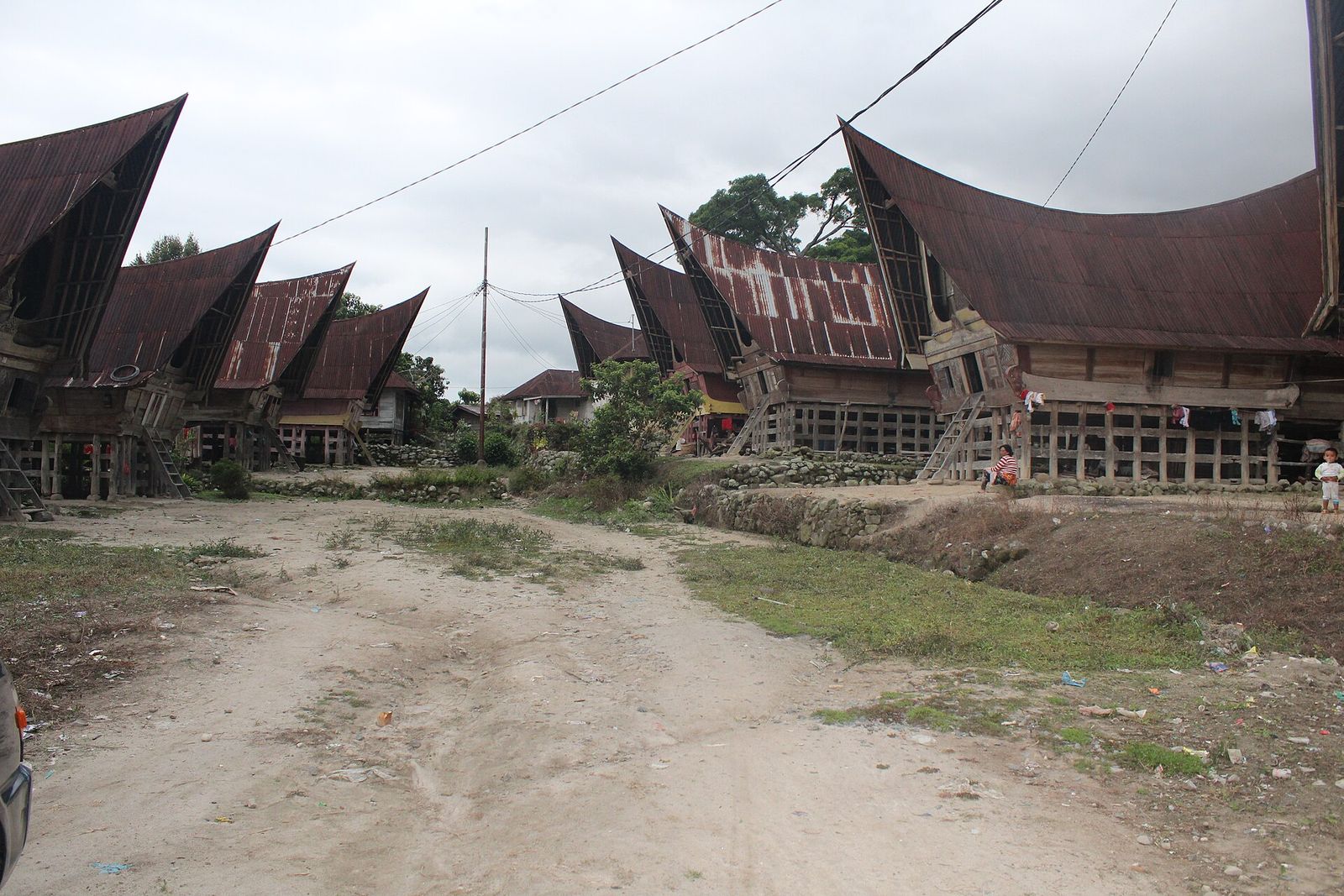 Foto: ButetSinaga ·
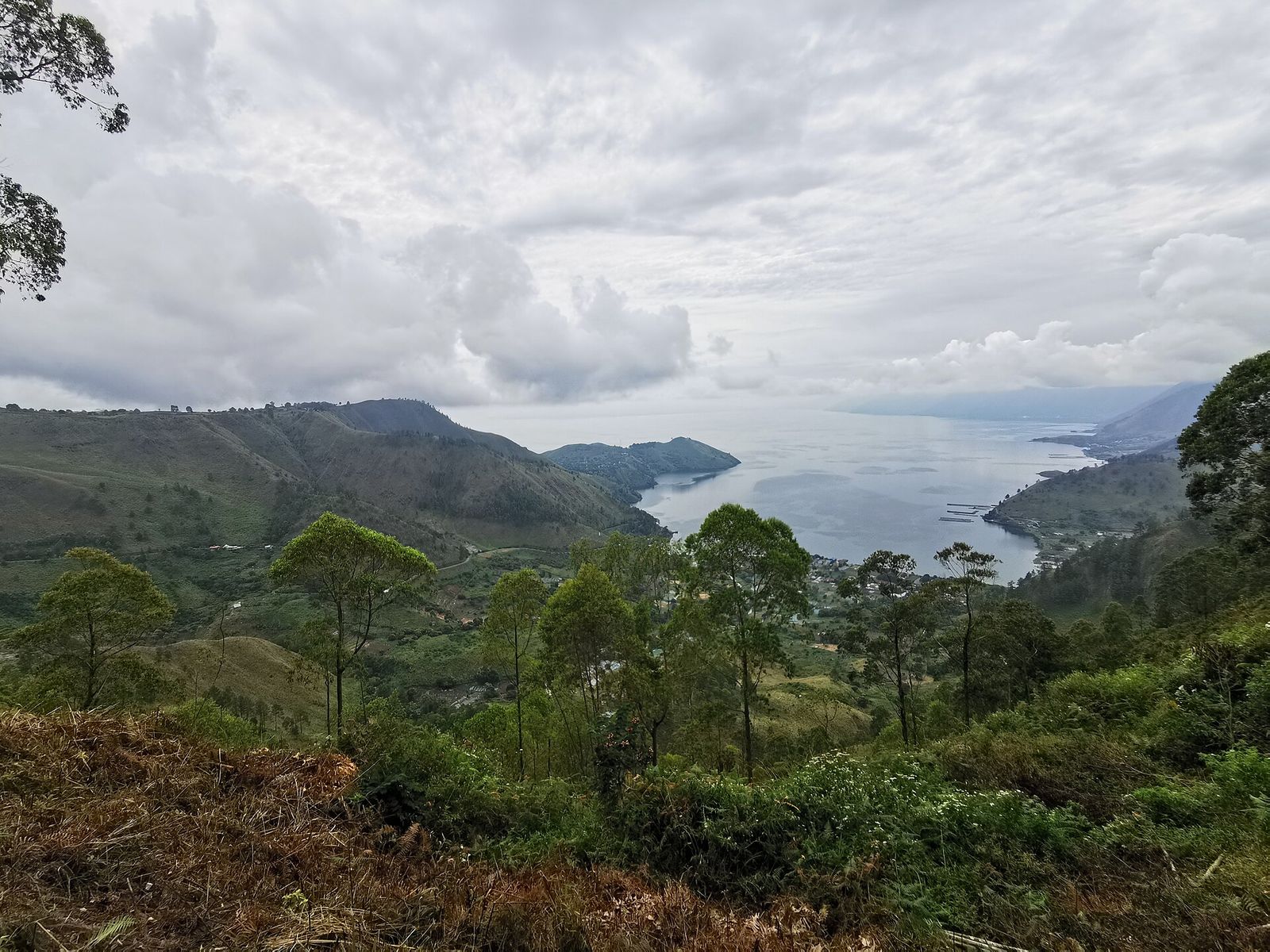 Foto: Herman Kurniawan ·
Culture
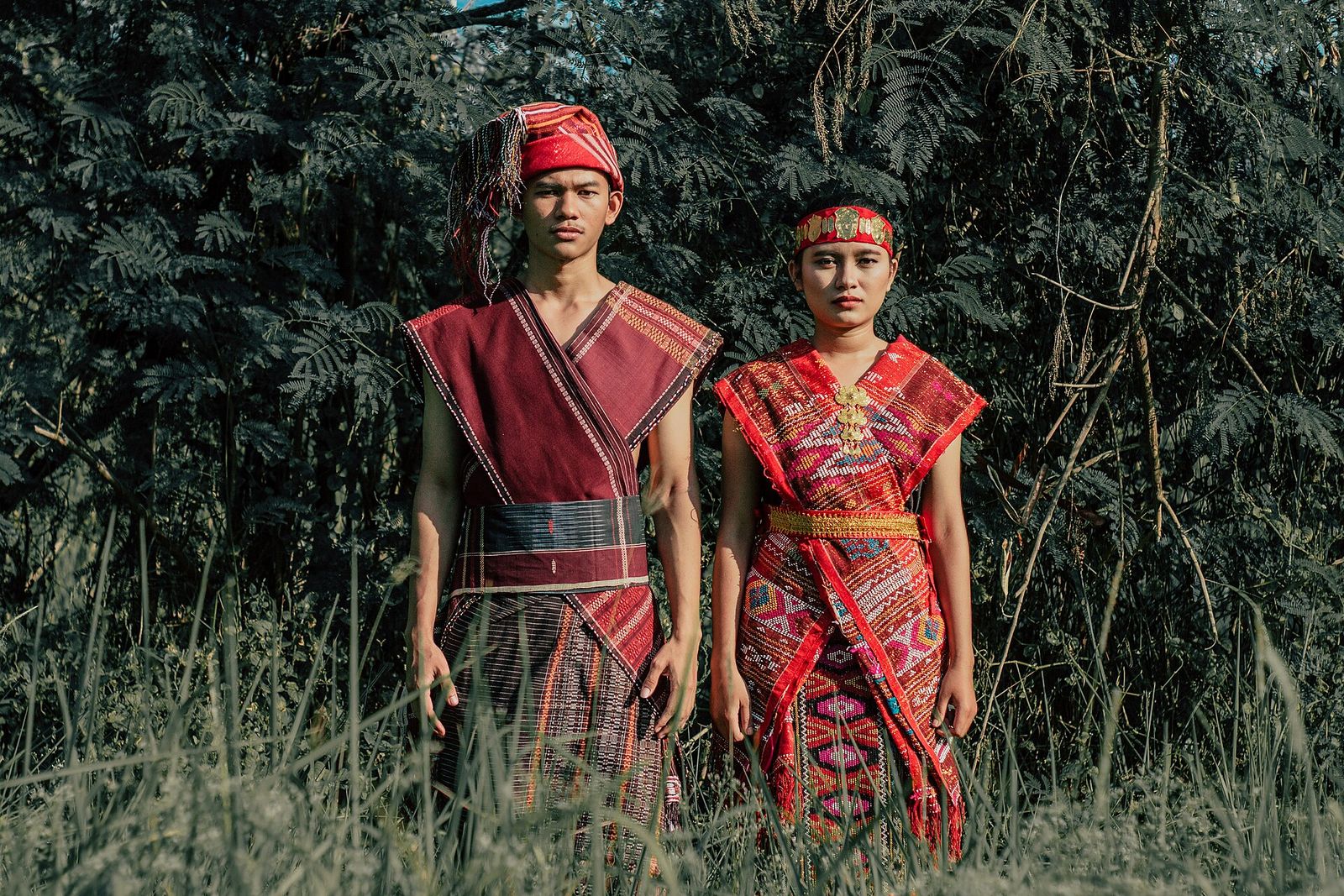 Foto: Angeline Claudia ·
Dalihan Na Tolu
Dalihan Na Tolu, “the three hearth stones”, is the foundation of Toba adat: the hula-hula (wife-giving family) are honoured, the dongan tubu (members of the same marga) are looked after, and the boru (wife-receiving family) are cherished. Everyone can hold all three positions, depending on the occasion. More on the Partuturan page.
Source: Dalihan Na Tolu — Wikipedia
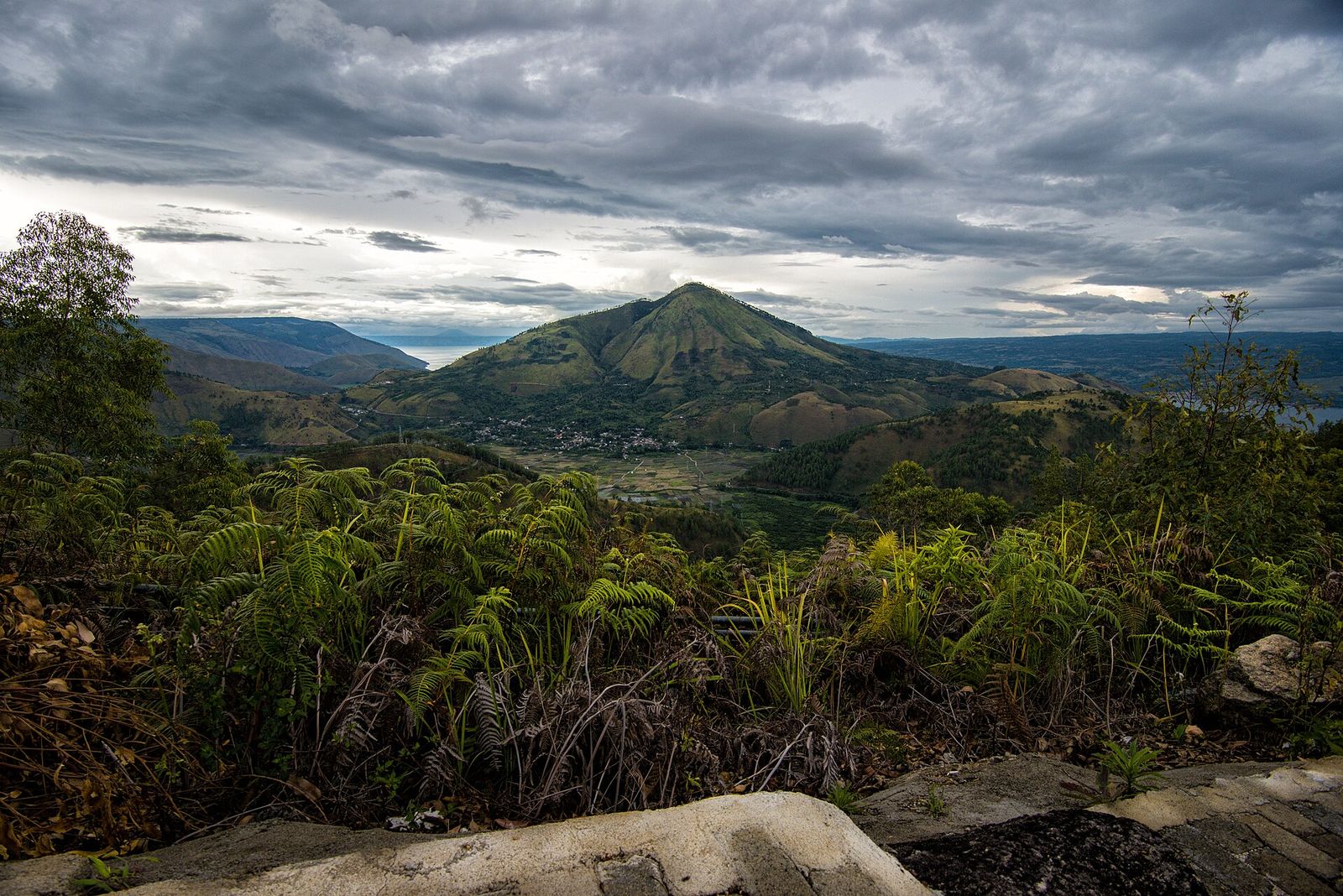 Foto: Francis Hartanto ·
Marga & tarombo
The marga (clan) is inherited from the father and traced in the tarombo (genealogy) back to Si Raja Batak, who according to oral tradition lived in Sianjur Mula-mula at the foot of Pusuk Buhit. When Batak people meet, they first ask each other's marga and then martarombo — trace the connection and the right form of address.
Source: Suku Batak Toba · Si Raja Batak — Wikipedia
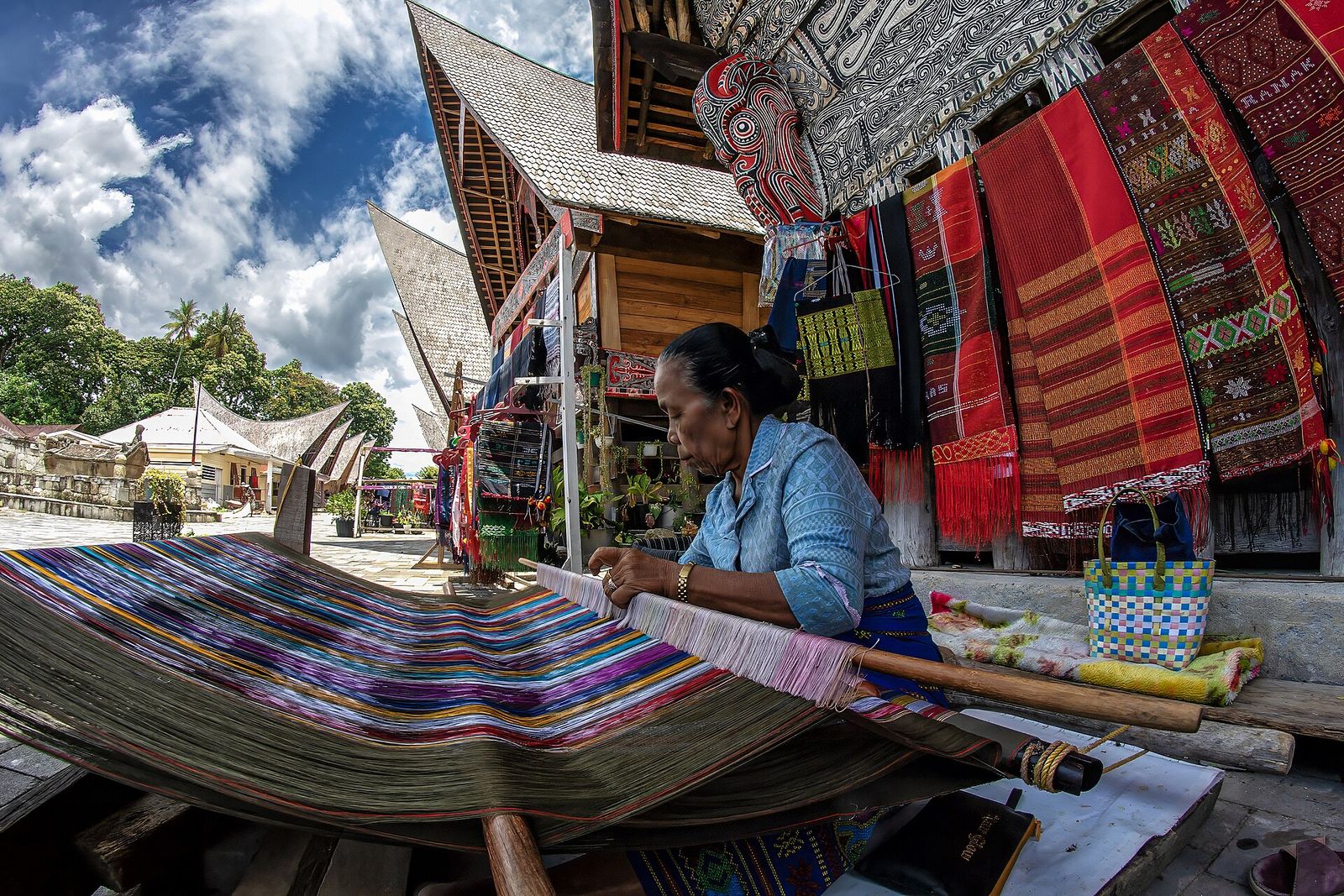 Foto: Nocomentapapun ·
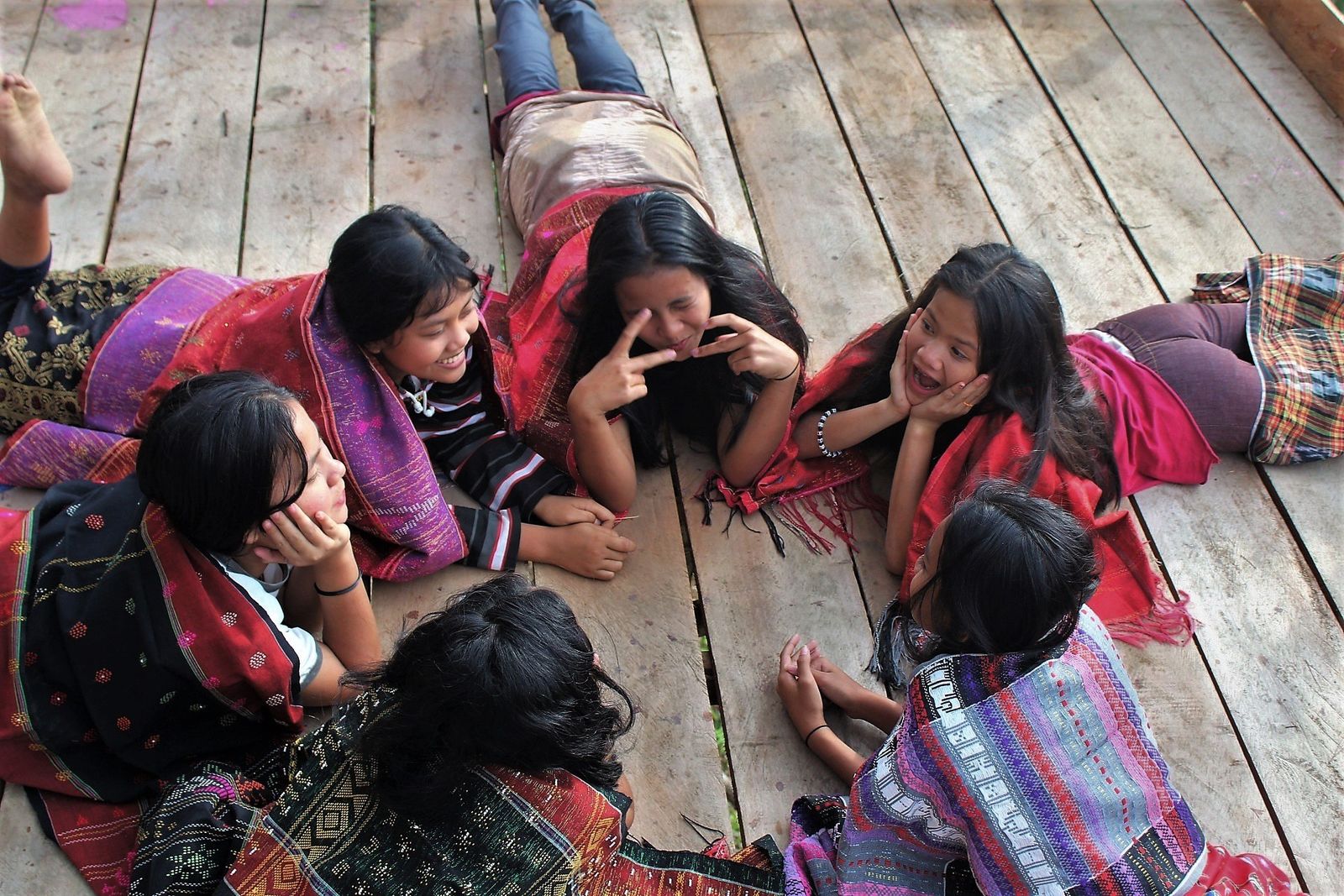 Foto: ButetSinaga ·
Ulos
Hand-woven cloths that accompany Batak people from birth to death. In ceremonies, the hula-hula drape an ulos over the boru (mangulosi) as a sign of affection and blessing. There are many kinds — including ragi hotang, sadum, ragidup and sibolang — each with its own use.
Source: Ulos — Wikipedia
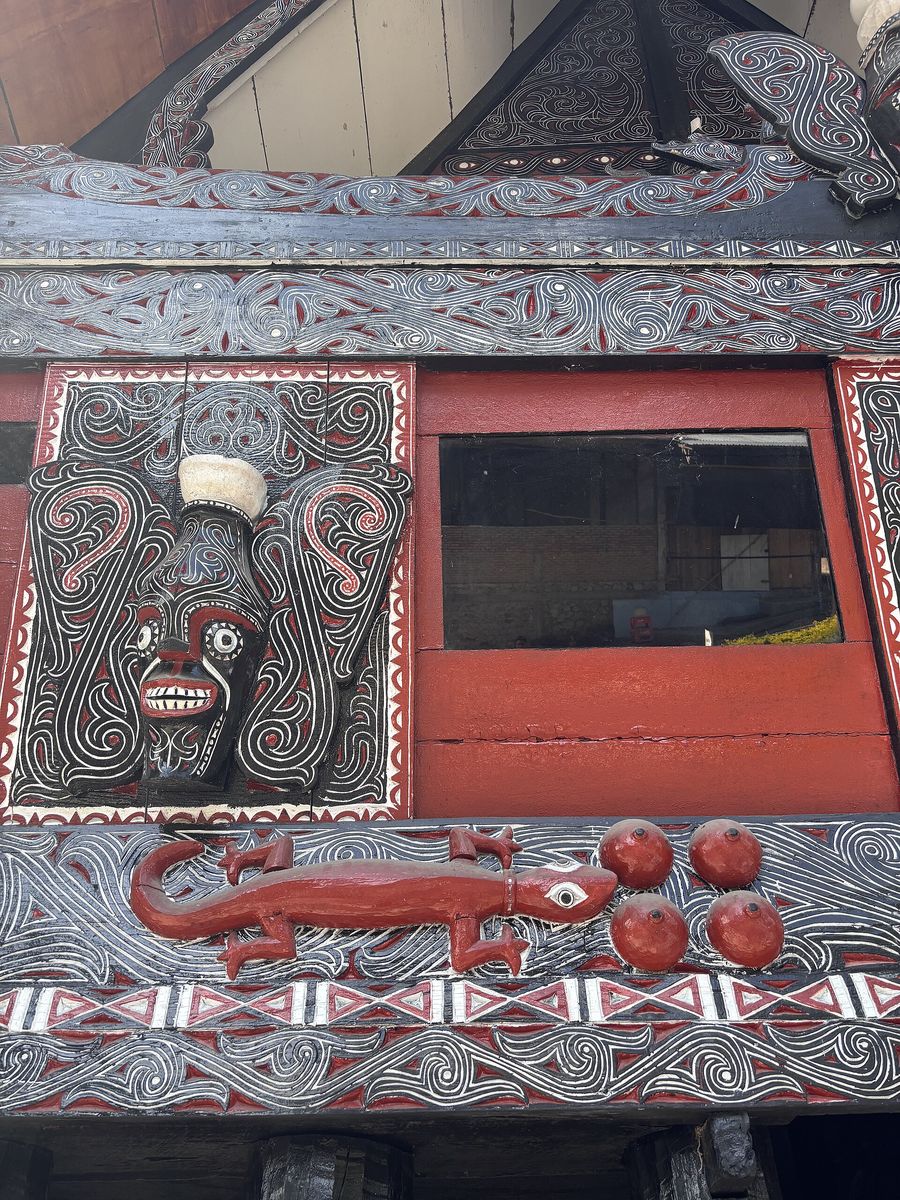 Foto: Really Rin ·
Rumah Bolon
The traditional Toba Batak house stands on wooden piles, with a high, saddle-shaped curved roof and a front decorated with gorga — carvings in red, white and black. Several houses in a row form a huta (village), often facing the sopo (rice barns).
Source: Rumah Bolon — Wikipedia
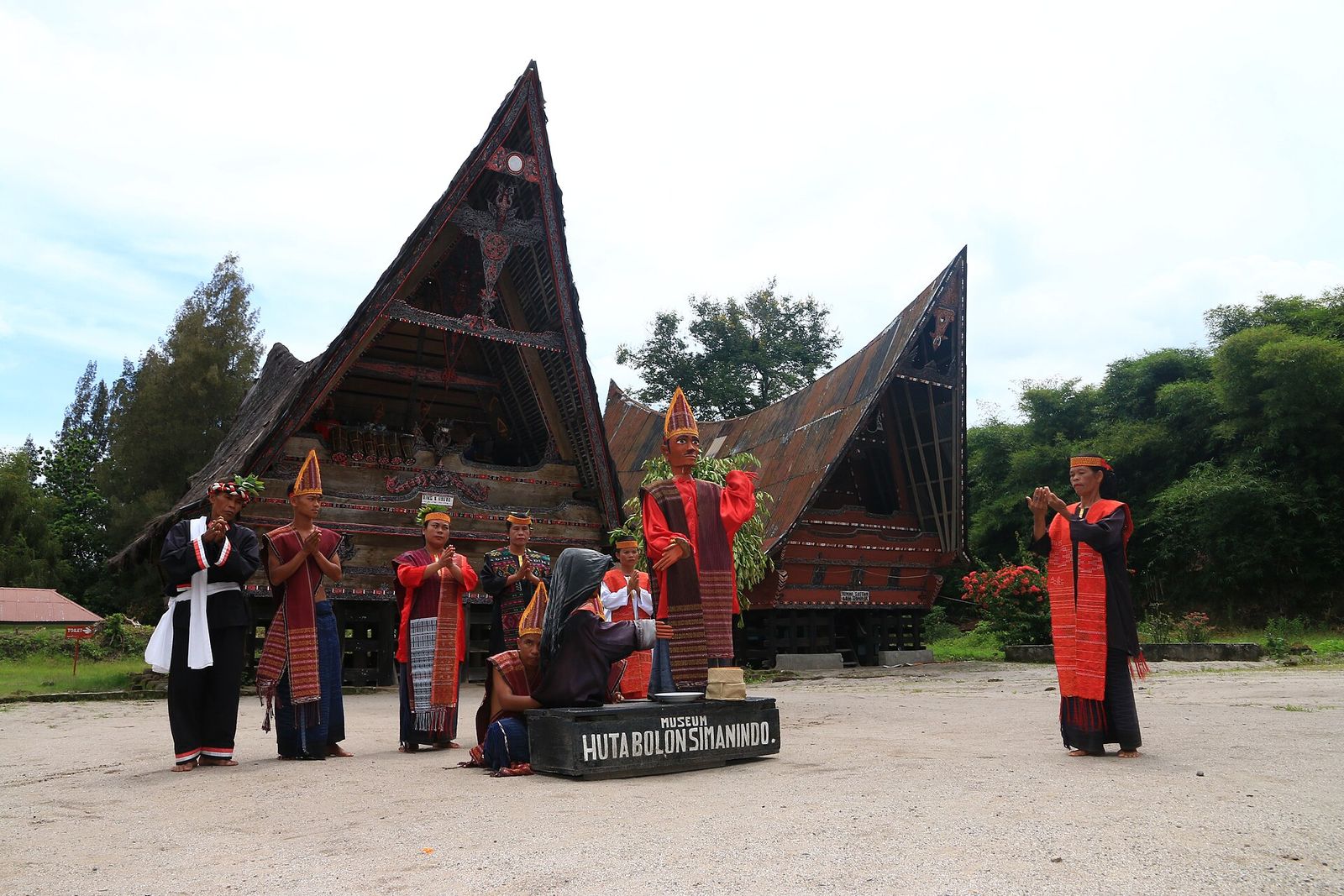 Foto: PL 05 SIGIT ·
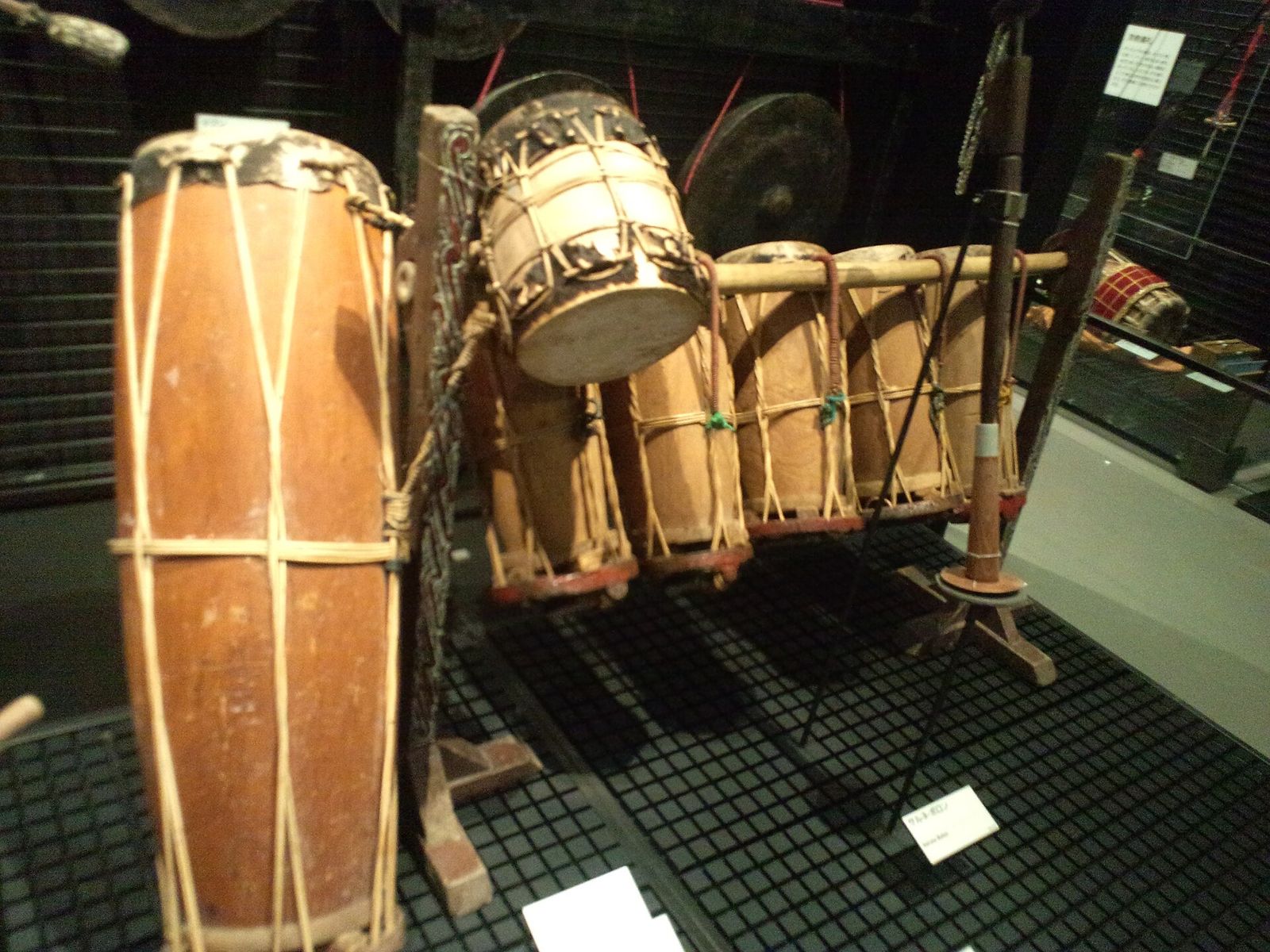 Foto: Yanajin33 ·
Gondang & tortor
Tortor is the ceremonial dance accompanied by the gondang sabangunan — an ensemble of taganing (tuned drums), gordang, sarune bolon and ogung (gongs). It is performed at weddings, house inaugurations and funerals; each side of the Dalihan Na Tolu takes its turn to manortor.
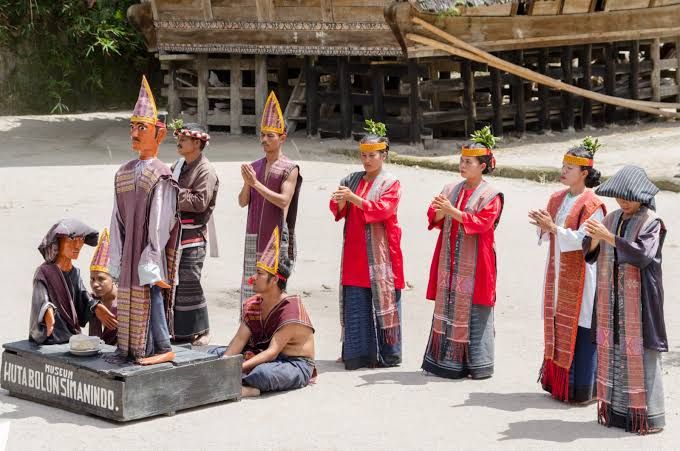 Foto: A Teach ·
Sigale-gale
A life-size wooden puppet moved with strings so that it can dance the tortor. According to a Samosir folk tale, it was made to comfort a king who had lost his only son. Today sigale-gale is performed for visitors in Tomok and Simanindo.
Source: Sigale gale — Wikipedia
History
-
about 74,000 years ago
The Toba eruption
A supervolcanic eruption left a vast caldera that filled with water: Lake Toba, the largest volcanic lake in the world. Samosir Island in its centre was uplifted from the caldera floor.
Source: Danau Toba · Toba catastrophe theory — Wikipedia
-
Oral tradition
Si Raja Batak in Sianjur Mula-mula
According to the tarombo, Si Raja Batak, the ancestor of the Batak, lived in Sianjur Mula-mula at the foot of Pusuk Buhit on Samosir. The Toba marga descend from his offspring.
Source: Si Raja Batak — Wikipedia
-
1834
Munson and Lyman
The American missionaries Samuel Munson and Henry Lyman were killed at Lobu Pining near the Silindung valley. The event long remained part of the church history of the Batak lands.
Source: Samuel Munson — Wikipedia
-
1851–1857
Van der Tuuk studies Toba
The linguist Herman Neubronner van der Tuuk lived in Barus and collected Batak manuscripts and stories. His Toba dictionary and grammar became the foundation of Batak language research.
Source: Herman Neubronner van der Tuuk — Wikipedia
-
1861
HKBP founding day
On 7 October 1861, four missionaries of the Rhenish Missionary Society met in Sipirok. The date is celebrated as the founding day of the Huria Kristen Batak Protestan (HKBP).
Source: Huria Kristen Batak Protestan — Wikipedia
-
1862–1918
Nommensen, from Nordstrand to Silindung
Ludwig Ingwer Nommensen, born in 1834 on the island of Nordstrand (Schleswig), was sent by the Rhenish Missionary Society in Barmen (today Wuppertal). He reached Sumatra in 1862, settled in the Silindung valley in 1864 and died in Sigumpar in 1918. This is where the Batak church's link with Germany began.
Source: Ludwig Ingwer Nommensen — Wikipedia
-
1878–1907
The Batak War
The priest-king Sisingamangaraja XII of Bakkara led the resistance against the Dutch for almost 30 years. He fell on 17 June 1907 in Dairi and was declared a National Hero of Indonesia in 1961.
Source: Sisingamangaraja XII — Wikipedia
-
2020
Toba Caldera becomes a UNESCO Geopark
The Toba Caldera was designated a UNESCO Global Geopark for its geological, biological and cultural heritage.
Source: Toba Caldera UNESCO Global Geopark — UNESCO
Dalihan Na Tolu
Three hearth stones hold up the cooking pot together — just as these three sides hold up every adat ceremony. The saying goes: somba marhula-hula, manat mardongan tubu, elek marboru.
The wife-giving side: the marga of one's mother (tulang) and of one's wife. Honoured as the source of blessing — somba marhula-hula.
Members of the same marga, descendants of the same male ancestor. Treated with care and mutual support — manat mardongan tubu.
The wife-receiving side: the families of our sisters' and daughters' husbands. They are treated with affection — elek marboru — and they do the serving at adat ceremonies.