Mandailing
Horas
The Mandailing live mainly in Mandailing Natal Regency and in the diaspora, including Malaysia. Well-known marga include Nasution and Lubis. Most Mandailing are Muslim, and some do not call themselves Batak. Gordang sambilan, nine large drums, is the traditional Mandailing music ensemble.
- Region
- Mandailing Natal
- Language
- Mandailing
- Kinship
- Dalian Na Tolu
Source: Suku Mandailing — Wikipedia
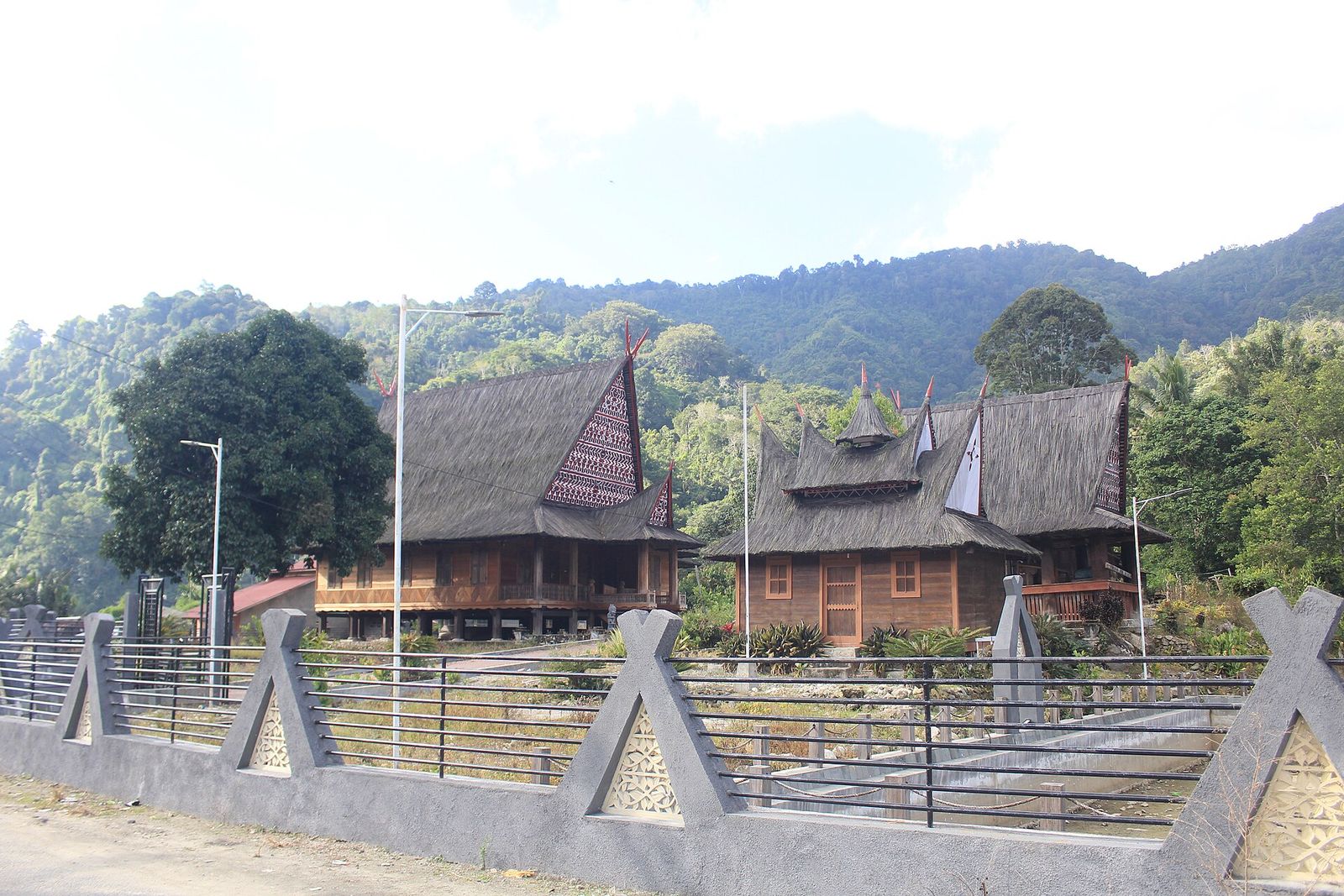 Foto: Nasution007 ·
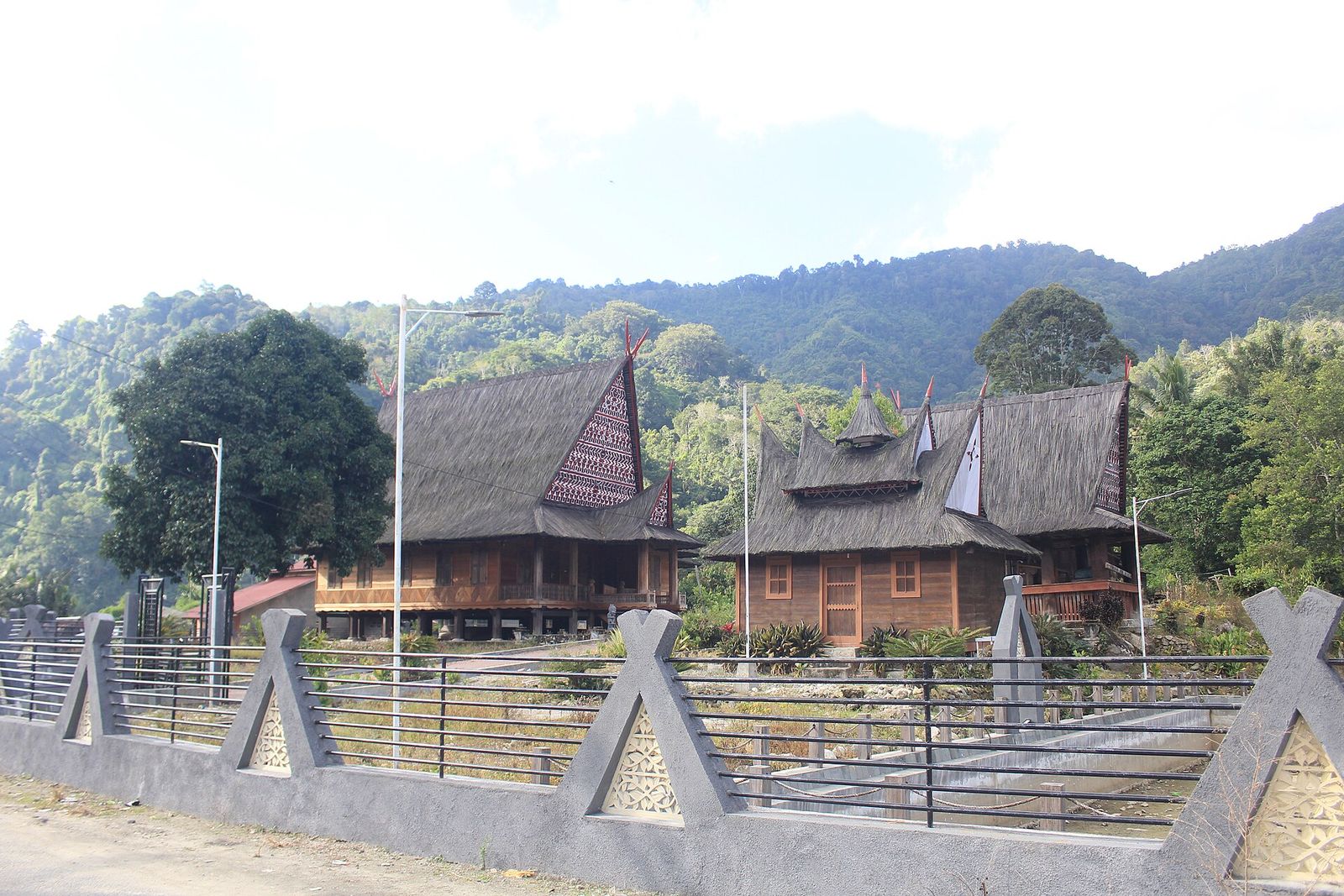 Foto: Nasution007 ·
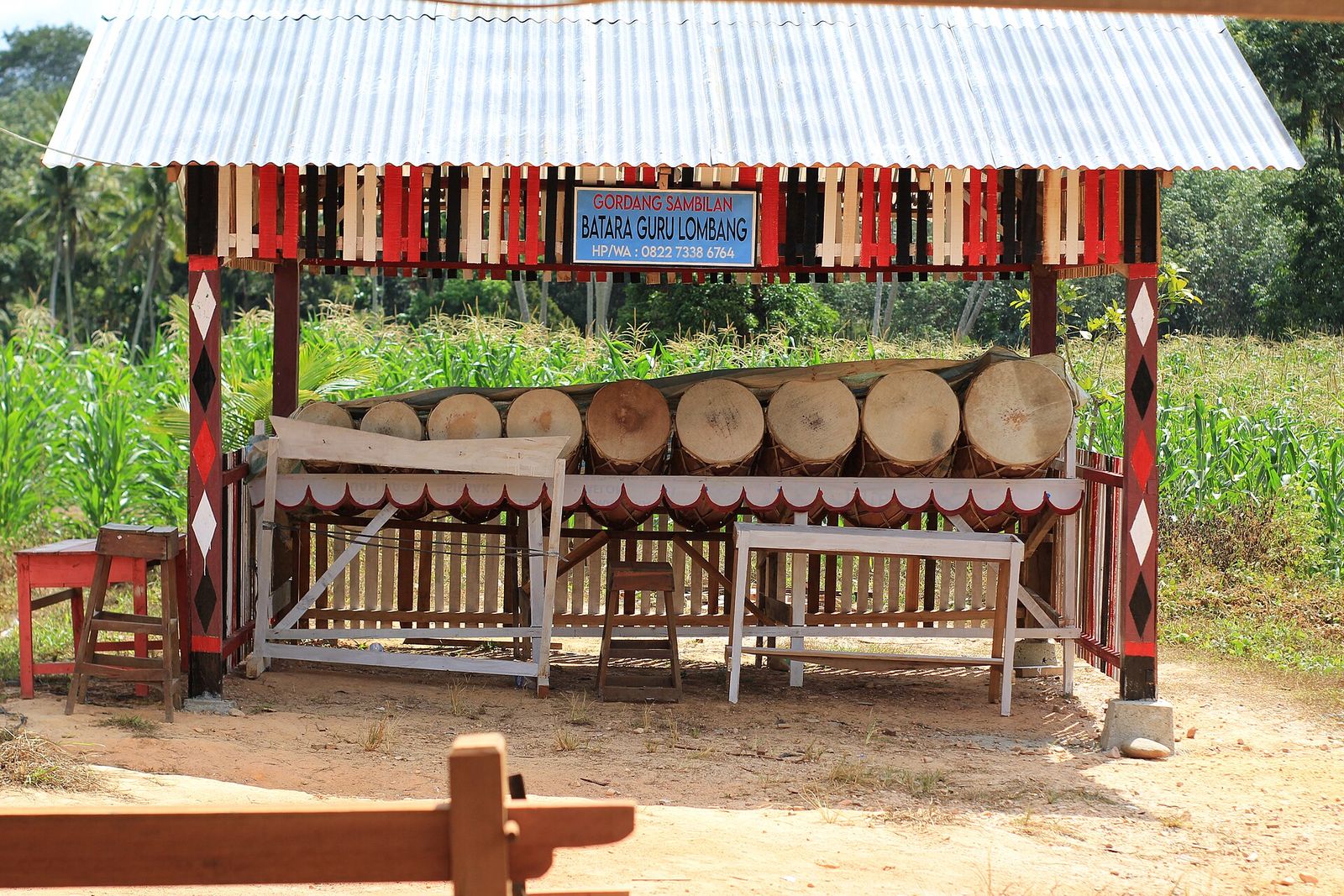 Foto: Nasution007 ·
Culture
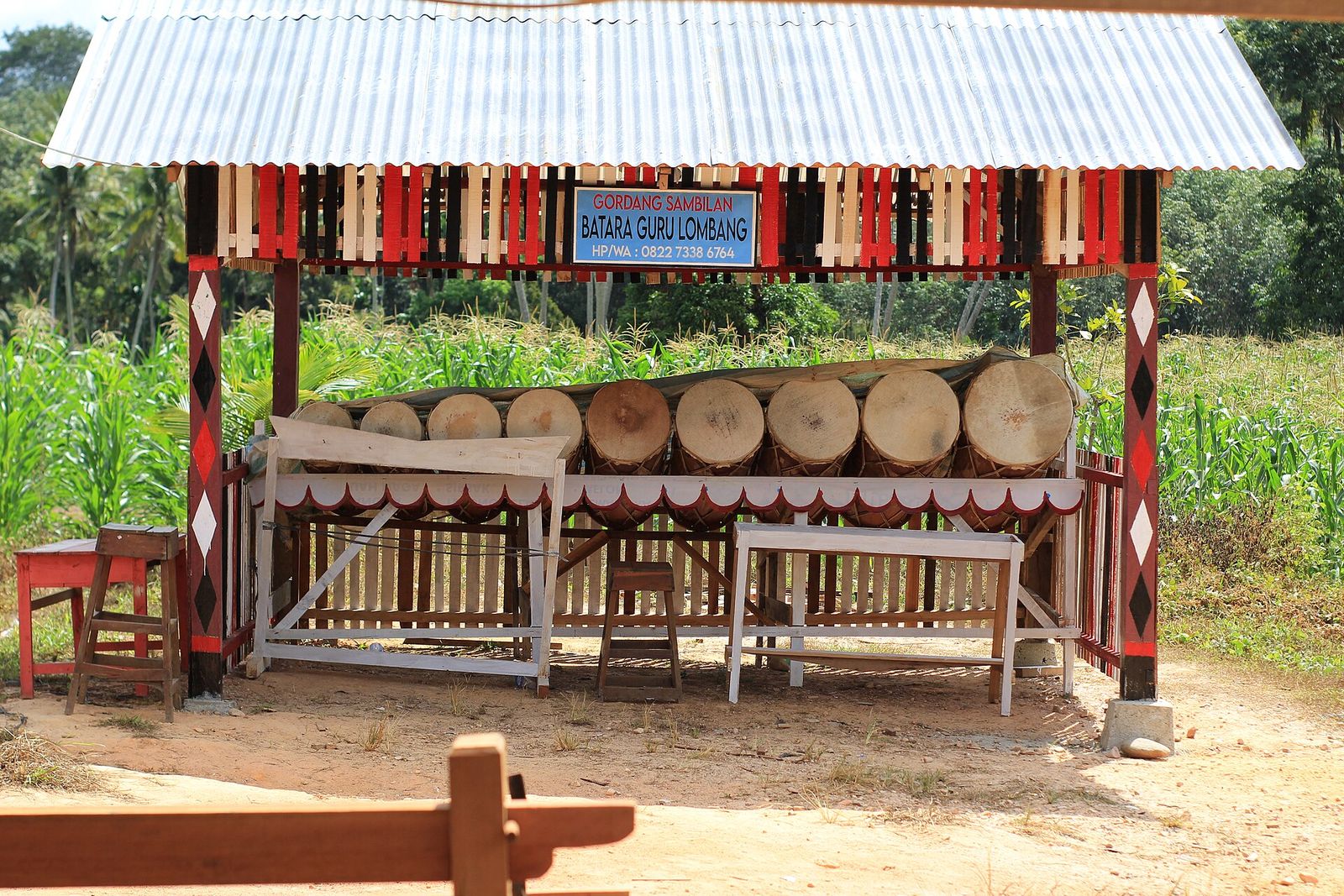 Foto: Nasution007 ·
Gordang Sambilan
Gordang Sambilan is an ensemble of nine drums (gordang = drum, sambilan = nine) of different lengths and diameters, made of hollowed wood with cowhide bound with rattan. It was once played at sacred ceremonies such as paturuan Sibaso, mangido udan (praying for rain), orja godang markaroan boru (weddings) and orja mambulungi (death). Today it is also played at weddings, to welcome guests and on public holidays.
Source: Gordang Sambilan — Wikipedia · Gordang sambilan — Wikipedia
Dalian Na Tolu (Dalihan Na Tolu)
Mandailing social and cultural life is based on the adat of Dalian Na Tolu ('three hearthstones') or adat markoum-sisolkot (the adat of kinship), made up of mora, kahanggi and anak boru. Its principle is phrased as manat markahanggi, elek maranak boru and hormat tu mora. All three parties are present and play a role in adat ceremonies such as weddings.
Source: Bagas Godang — Wikipedia · Pernikahan Adat Mandailing — Wikipedia
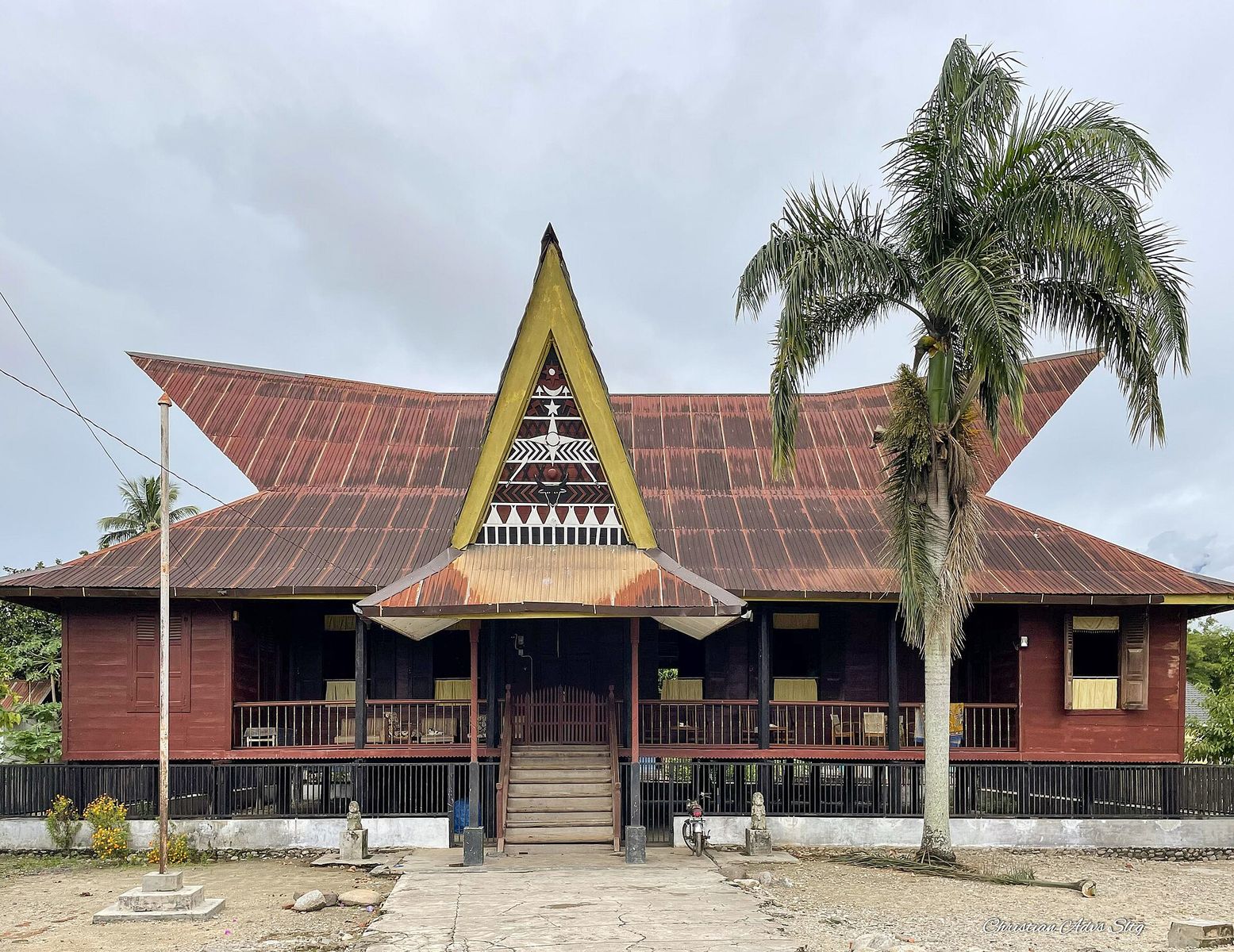 Foto: Christian Advs Sltg ·
Bagas Godang and Sopo Godang
Bagas Godang is the king's great house, rectangular and raised on stilts, with seven or nine steps. In the same complex are the Sopo Godang (adat council hall), Sopo Gondang (where the Gordang Sambilan is kept), Sopo Jago and Sopo Eme (rice barn), all facing the wide Alaman Bolak courtyard. The ornament on the tutup ari is called bolang and is red, white and black.
Source: Bagas Godang — Wikipedia
Markobar
Markobar is an oral tradition of skilled speech at adat ceremonies, for example at weddings (horja). Every adat discussion opens with the presentation of betel leaves (burangir) with gambier, lime, tobacco and areca nut on a partaganan, called napuran. The anak boru are responsible for offering the burangir to the harajaon, mora and hatobangon.
Source: Markobar Pernikahan Adat Mandailing — Wikipedia
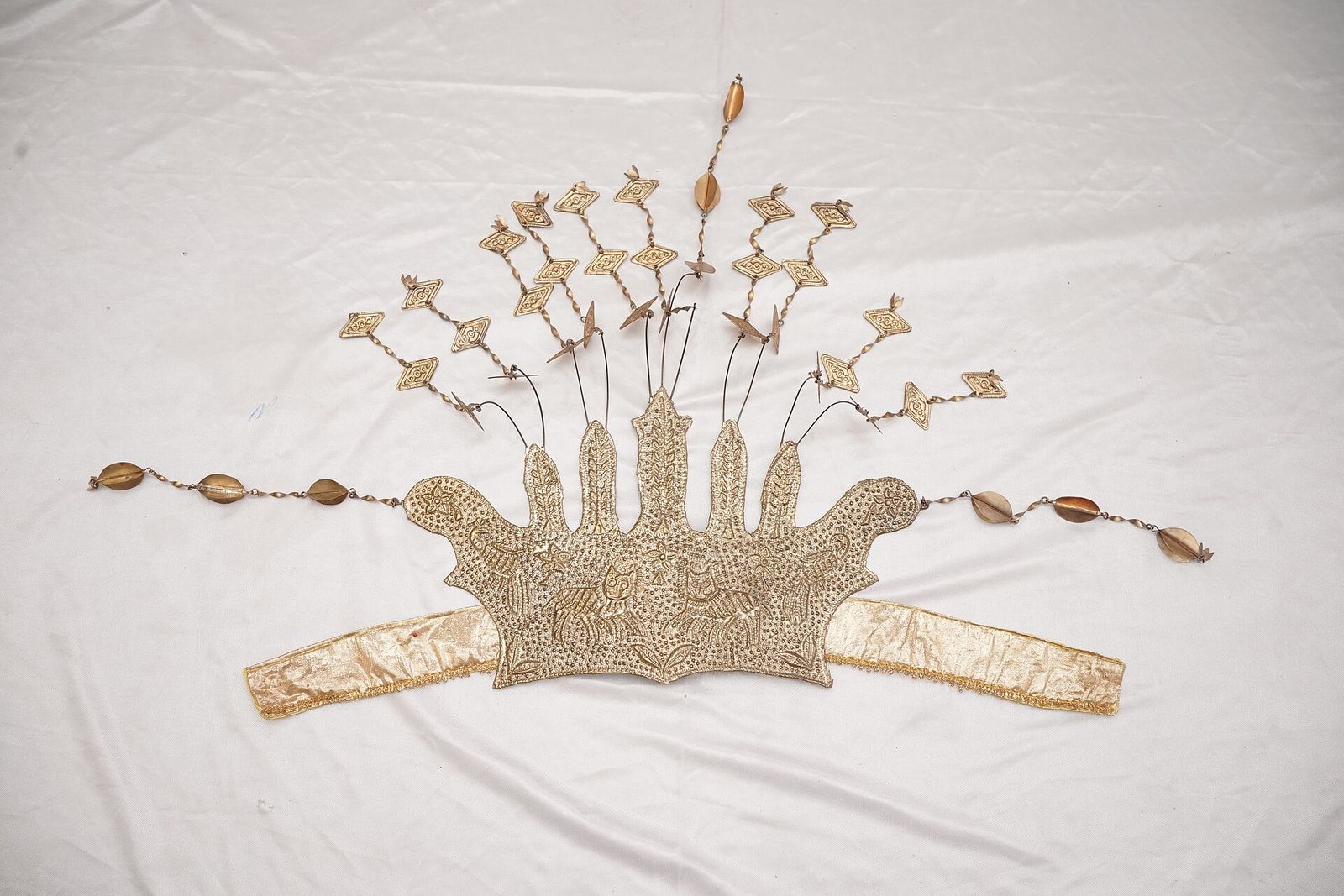 Foto: Nasution007 ·
Mandailing traditional wedding attire
The bride wears the bulang, a gold crown whose number of tiers indicates rank, along with a black gold-embroidered baju kurung and a songket cloth. The groom wears an ampu (a black velvet headdress decorated with gold), bajo godang, bobat (belt) and a songket sesamping cloth.
Source: detik.com
Varieties of the Mandailing language
According to Pangaduan Lubis, Mandailing has five varieties: hata somal (everyday speech), hata andung (lament speech at weddings or funerals), hata teas dohot jampolak (quarrelling), hata si baso (special speech of the si baso or datu) and hata parkapur (used when gathering camphor). There was also hata bulung-bulung, a 'leaf language' using leaves as symbols. Historically the language was written in Batak script (surat tulaktulak).
Source: Bahasa Batak Mandailing — Wikipedia · Mandailing Batak language — Wikipedia
History
-
12th–14th century
Mandala Holing and the Nagarakertagama
One view links the name Mandailing to 'Mandala Holing', a 12th-century federation mentioned in the Surat Tumbaga Holing; another derives it from 'mande hilang' (lost mother). The Nagarakertagama records that a Majapahit expedition reached the Mandailing region in 1365.
Source: https://id.wikipedia.org/wiki/Suku_Mandailing
-
1803–1845
The Padri War and migration to the Malay Peninsula
The Padri War spread into the Mandailing region and caused many Mandailing to migrate, including to the Malay Peninsula. There, groups led by Raja Asal and Raja Bilah, together with Sutan Puasa, took part in the Klang War (1866–1873).
Source: https://en.wikipedia.org/wiki/Mandailing_people
-
1824–1852
Dutch colonial period
The Dutch East Indies government entered Mandailing Natal in 1824 under the Air Bangis Residency (Sumatra's Westkust); in 1834 the area came under the Tapanuli Residency. In 1852 the Afdeling Mandailing and Afdeling Natal were formed.
Source: https://id.wikipedia.org/wiki/Kabupaten_Mandailing_Natal
-
1862
Willem Iskander and the Kweekschool Tano Bato
Willem Iskander (Sati Nasution, 1840–1876) from Pidoli Lombang trained as a teacher in the Netherlands and, on his return, founded a teacher training school (Kweekschool) in Tano Bato in 1862. The school was closed and moved to Padangsidempuan in 1874. He also wrote books in Mandailing, including Si Bulus-bulus Si Rumbuk-rumbuk (1872).
Source: https://id.wikipedia.org/wiki/Willem_Iskander
-
1998
Formation of Mandailing Natal Regency
Mandailing Natal Regency (Madina) was split from South Tapanuli Regency under Law No. 12 of 1998 and inaugurated on 23 November 1998. Its capital is Panyabungan.
Source: https://id.wikipedia.org/wiki/Kabupaten_Mandailing_Natal
-
2004
Designation of Batang Gadis National Park
Forest areas in Mandailing Natal were designated Batang Gadis National Park by decree of the Minister of Forestry dated 29 April 2004. The designation is also seen as recognition of local wisdom such as lubuk larangan and harangan rarangan (forbidden forest).
Source: https://id.wikipedia.org/wiki/Taman_Nasional_Batang_Gadis
Dalian Na Tolu
Mora, kahanggi and anak boru. Written Dalian Na Tolu, also Dalihan Na Tolu. The principle: hormat marmora, manat markahanggi, elek maranak boru.
Mora is the wife-giving side (descendants of the mother's brother, the wife's family), honoured for giving a daughter (the principle of hormat tu mora).
Kahanggi are relatives linked through the same male line of descent (same marga), with the principle of manat markahanggi (looking out for one another).
Anak boru is the wife-receiving side, i.e. the line of those who married our sister or our father's sister, with the principle of elek maranak boru (wise persuasion).