Karo
Mejuah-juah
The Karo live in the Karo highlands and around — Langkat, Deli Serdang, Dairi and Medan — and in the diaspora. Many Karo call themselves simply Karo, not Batak. More about the Karo is on karo-online.com.
- Region
- Dataran tinggi Karo, Langkat, Deli Serdang, Dairi, Medan
- Language
- Karo
- Kinship
- Rakut Sitelu
Source: Suku Karo — Wikipedia · karo-online.com
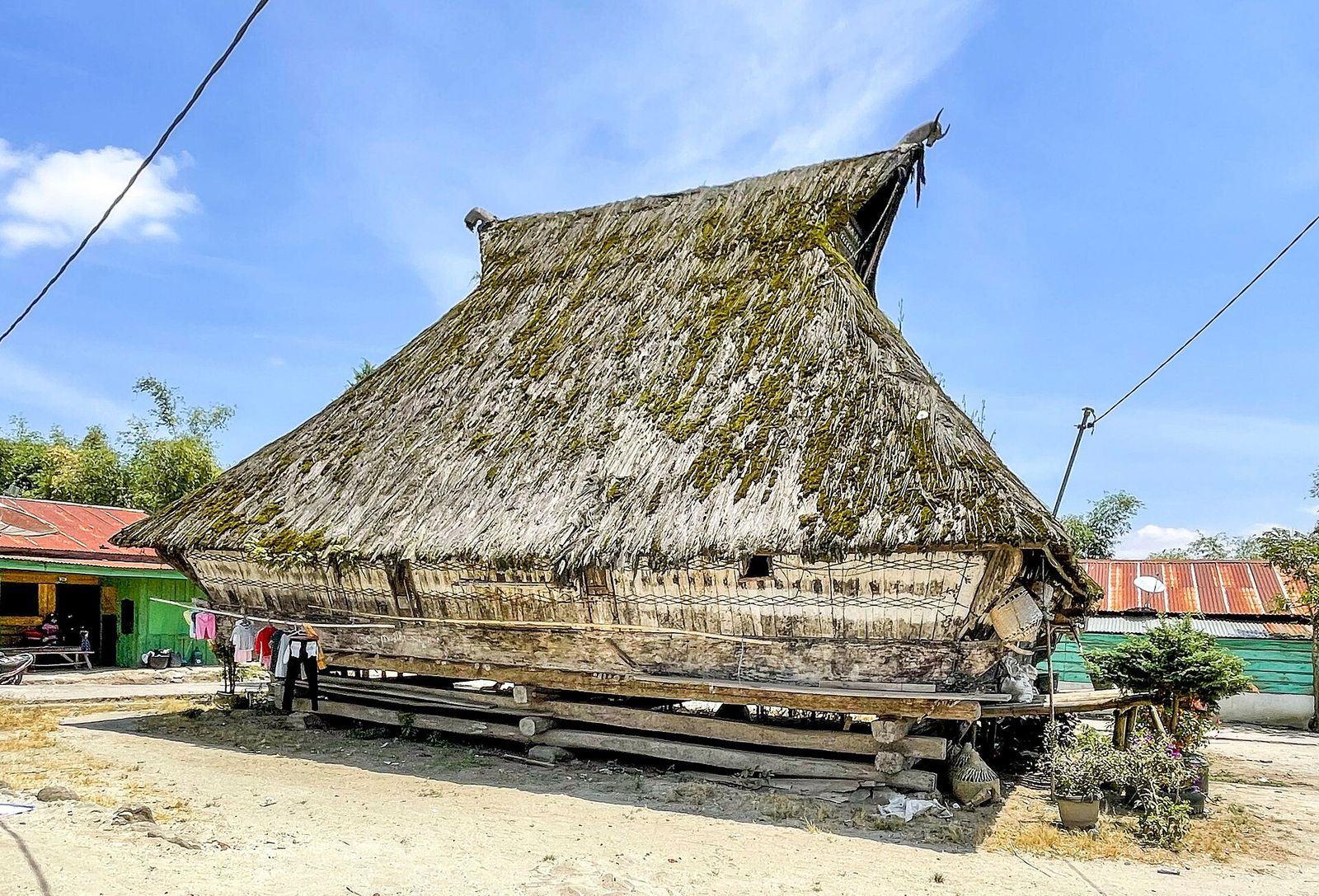 Foto: Christian Advs Sltg ·
Culture
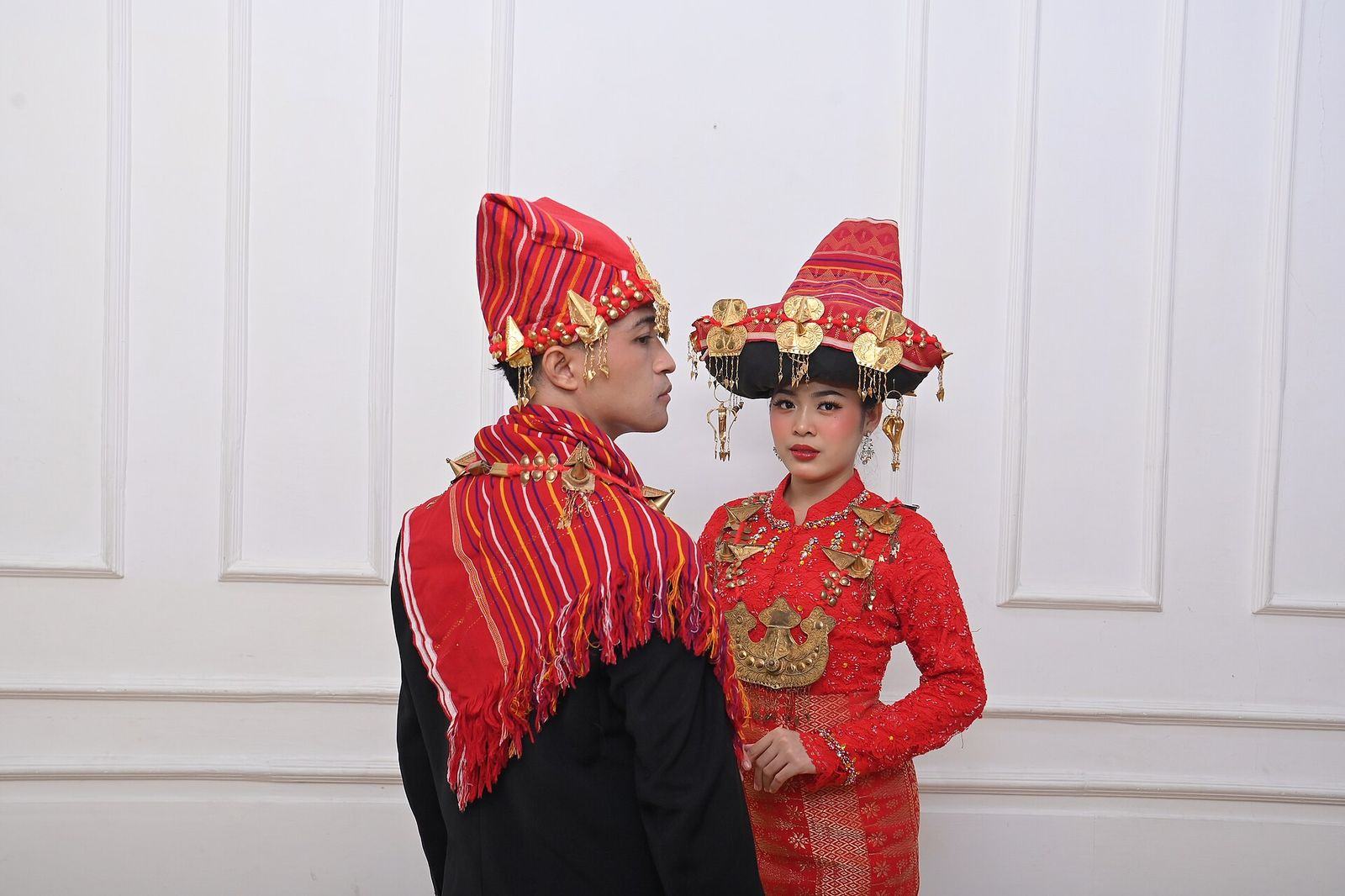 Foto: Sokokuphoto ·
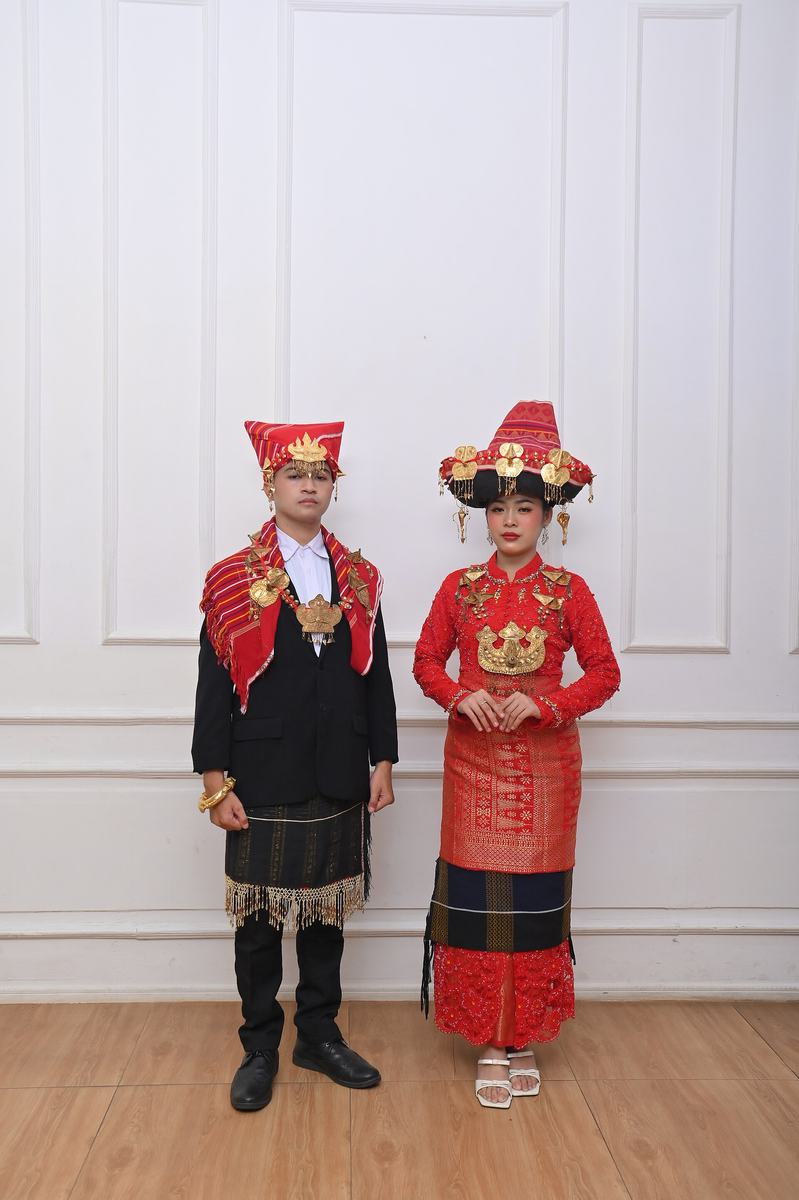 Foto: Sokokuphoto ·
Merga Silima
The Karo are divided into five main clans (merga): Ginting, Karo-karo, Peranginangin, Sembiring and Tarigan. The merga is inherited from the father; men carry the merga, women the 'beru'. Each merga branches into many sub-clans, and people of the same merga are regarded as siblings.
Source: Suku Karo · Merga Silima — Wikipedia
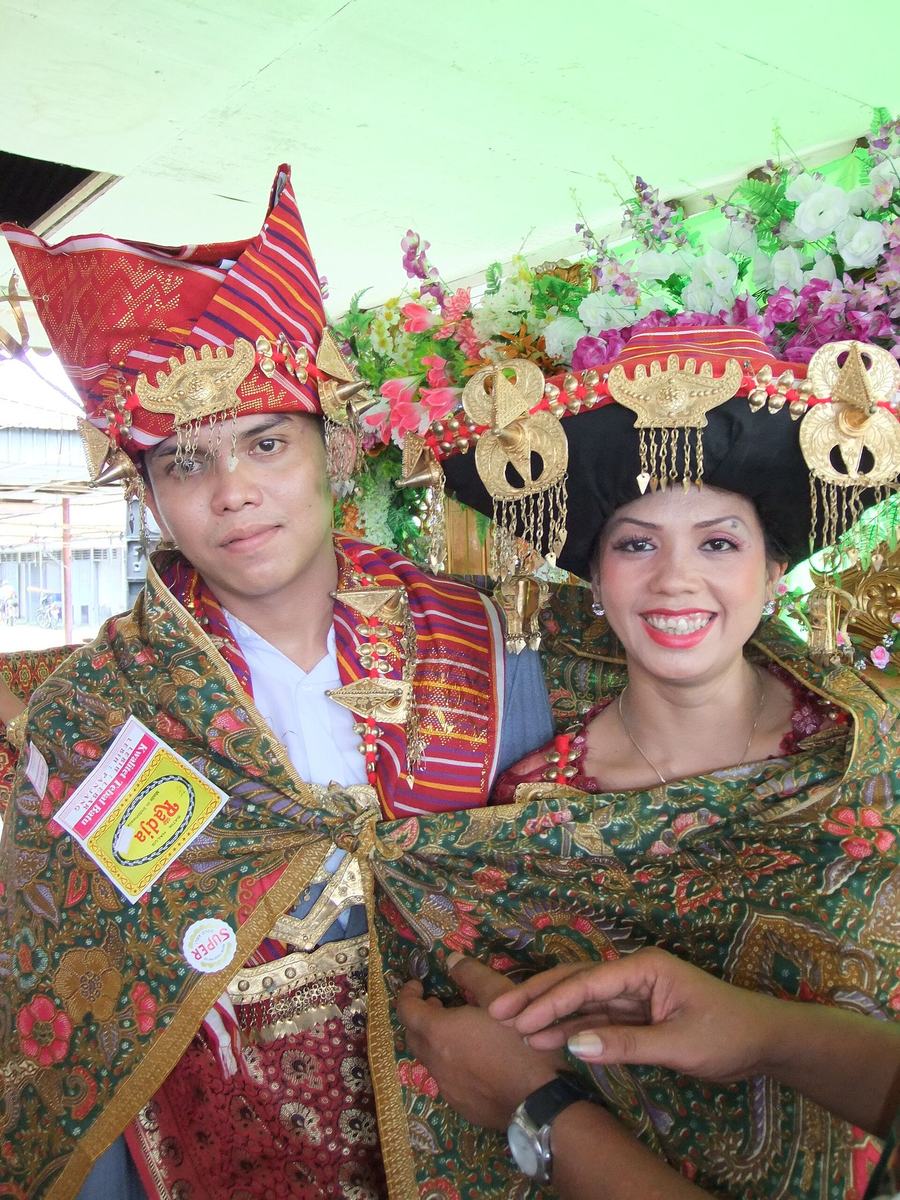 Foto: Picsplease ·
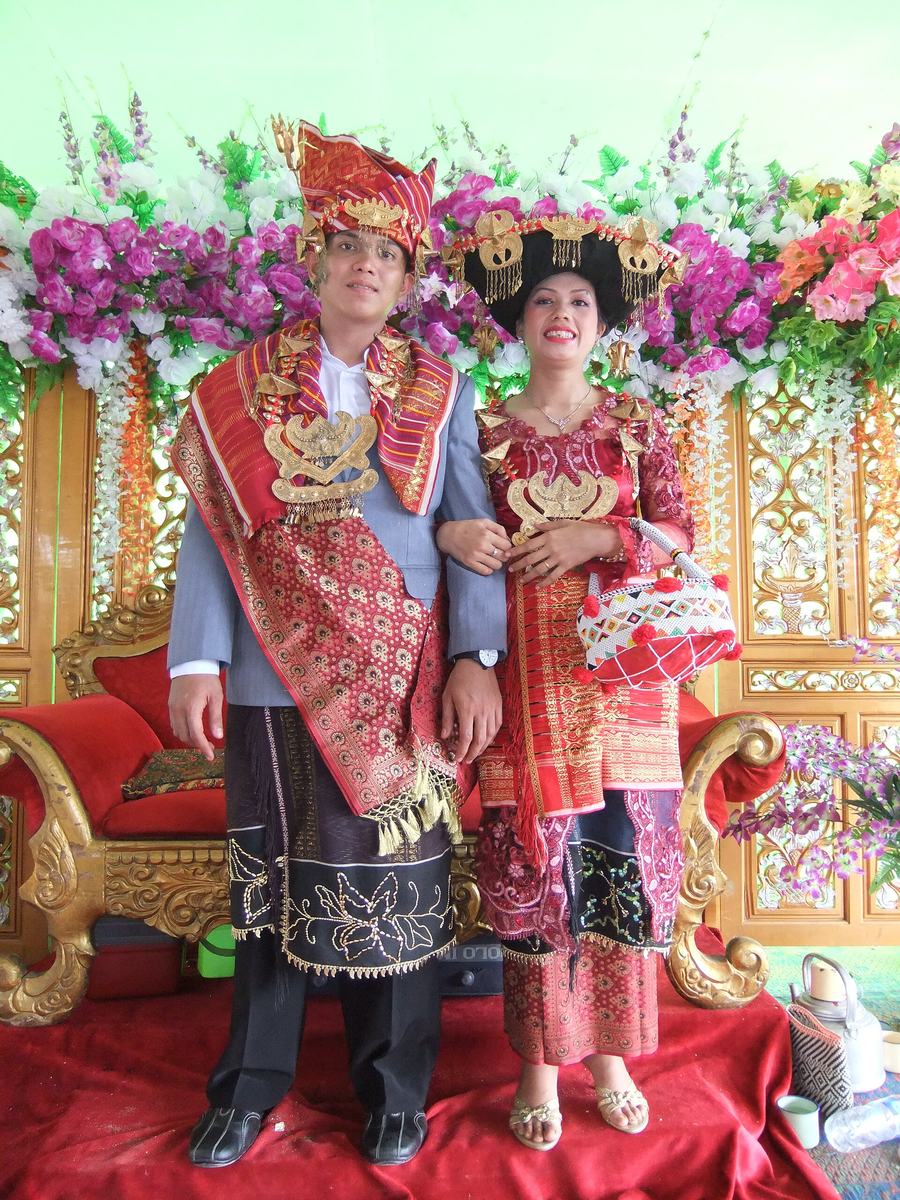 Foto: Picsplease ·
Rakut Sitelu
Rakut sitelu, or daliken sitelu ('the three hearth stones'), are the three pillars of social life: kalimbubu (the honoured wife-giving side), senina/sembuyak (kin of the same merga) and anak beru (the wife-taking side that serves at ceremonies). A person's role changes from one occasion to the next.
Source: Rakut Sitelu — Wikipedia
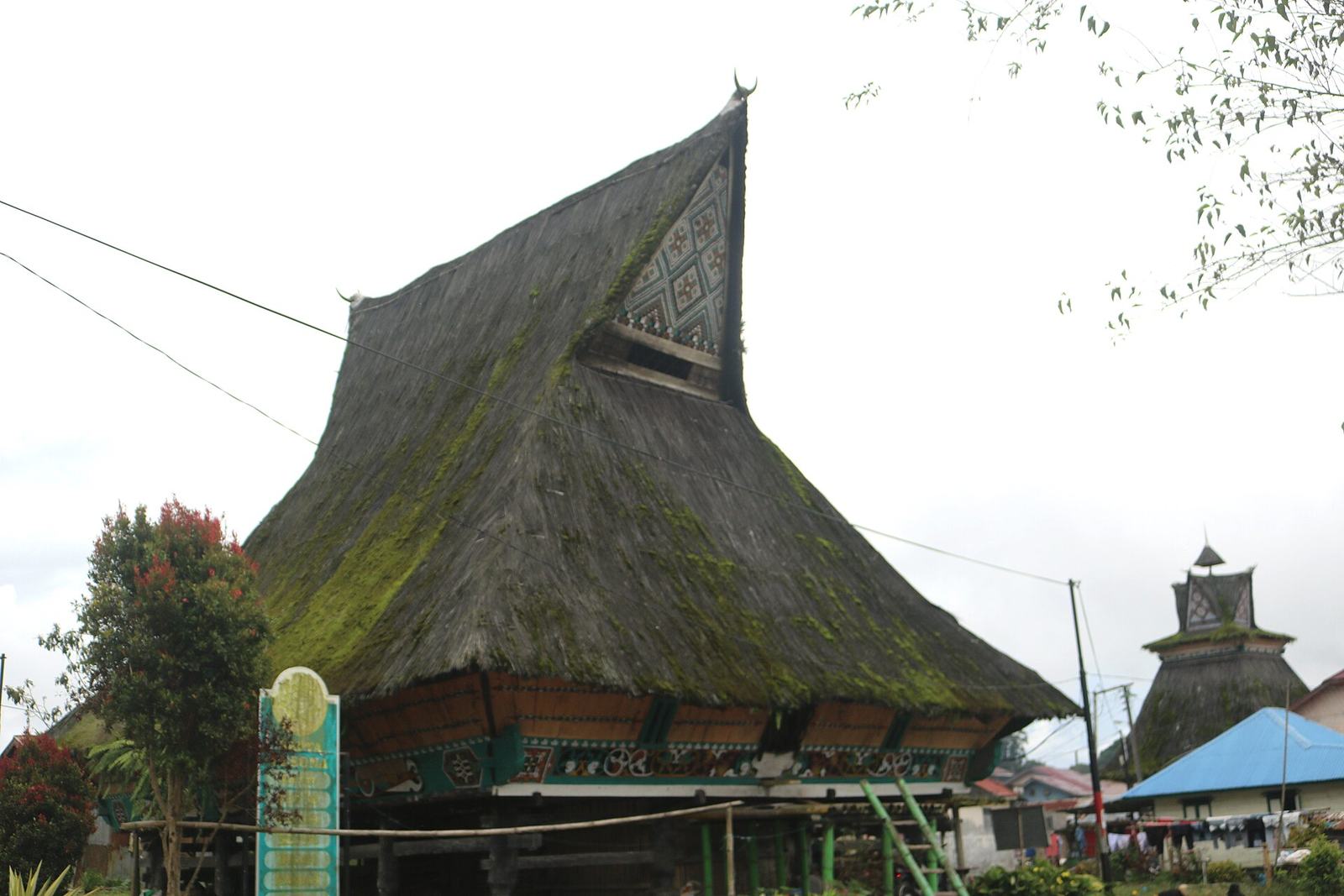 Foto: Agus Damanik ·
Rumah Siwaluh Jabu
A traditional house for eight families (jabu) under one palm-fibre roof, with no inner walls and joined with wooden pegs instead of nails. Surviving examples stand in Dokan (Merek) and Lingga (Simpang Empat). The Karo house has been listed as Indonesian intangible cultural heritage since 2013.
Source: Siwaluh Jabu, Melawan Waktu — BPODT Kemenpar
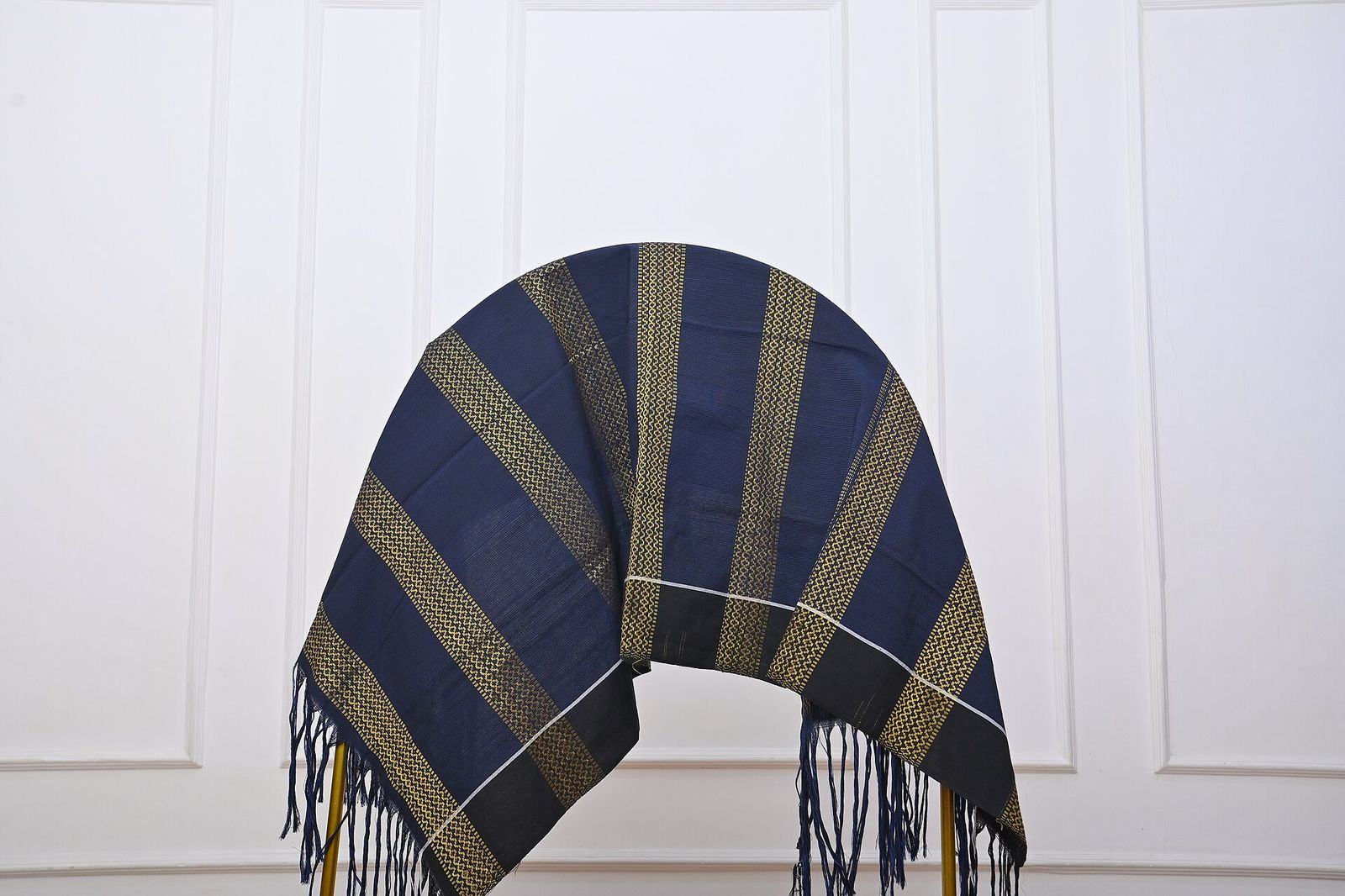 Foto: Sokokuphoto ·
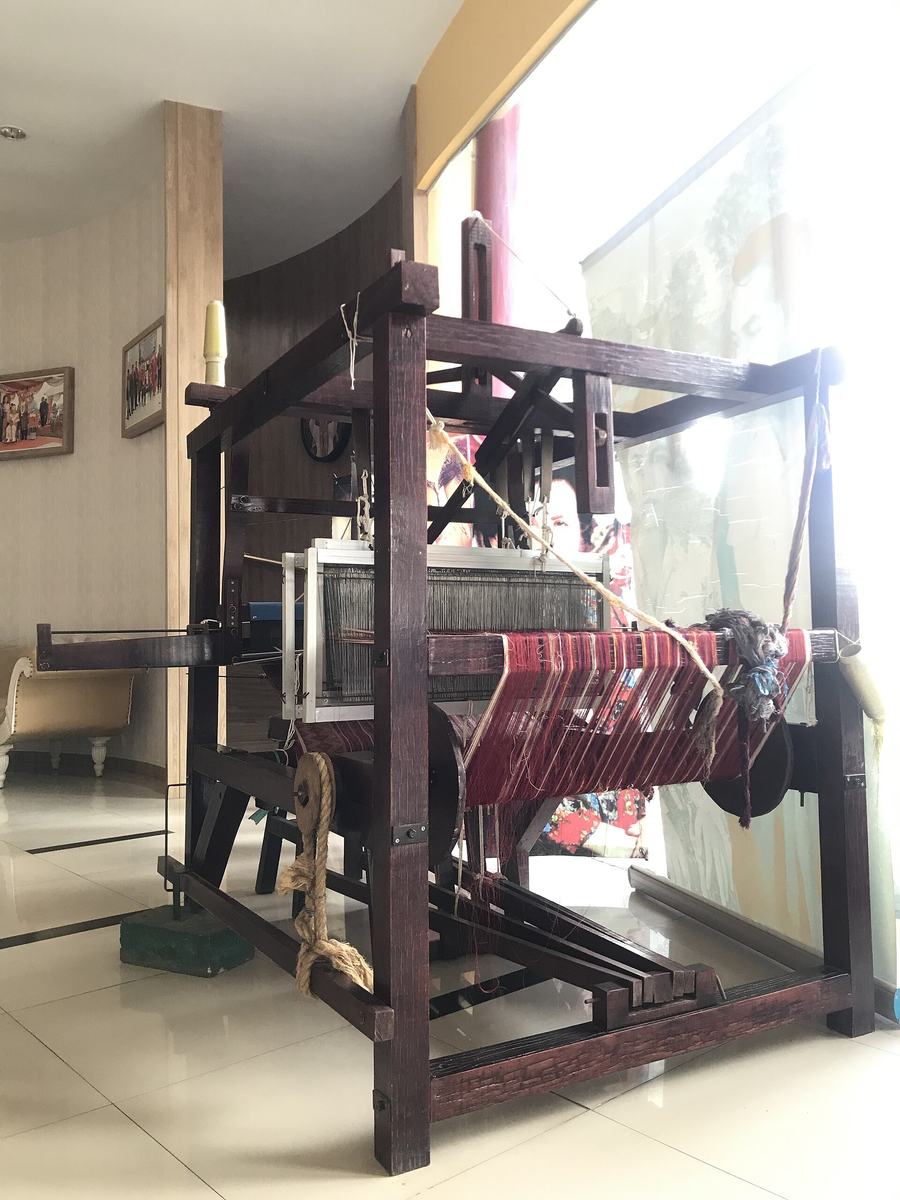 Foto: Lim Natee ·
Uis Adat
Uis is the woven cloth of the Karo; uis gara ('red cloth') is dominated by red, black and white. Each kind has its purpose: beka buluh as a men's headcloth, uis nipes as a women's shawl, gatip for men and perembah for carrying babies.
Source: Uis Gara — Wikipedia · Mengenal Uis Gara — detikSumut
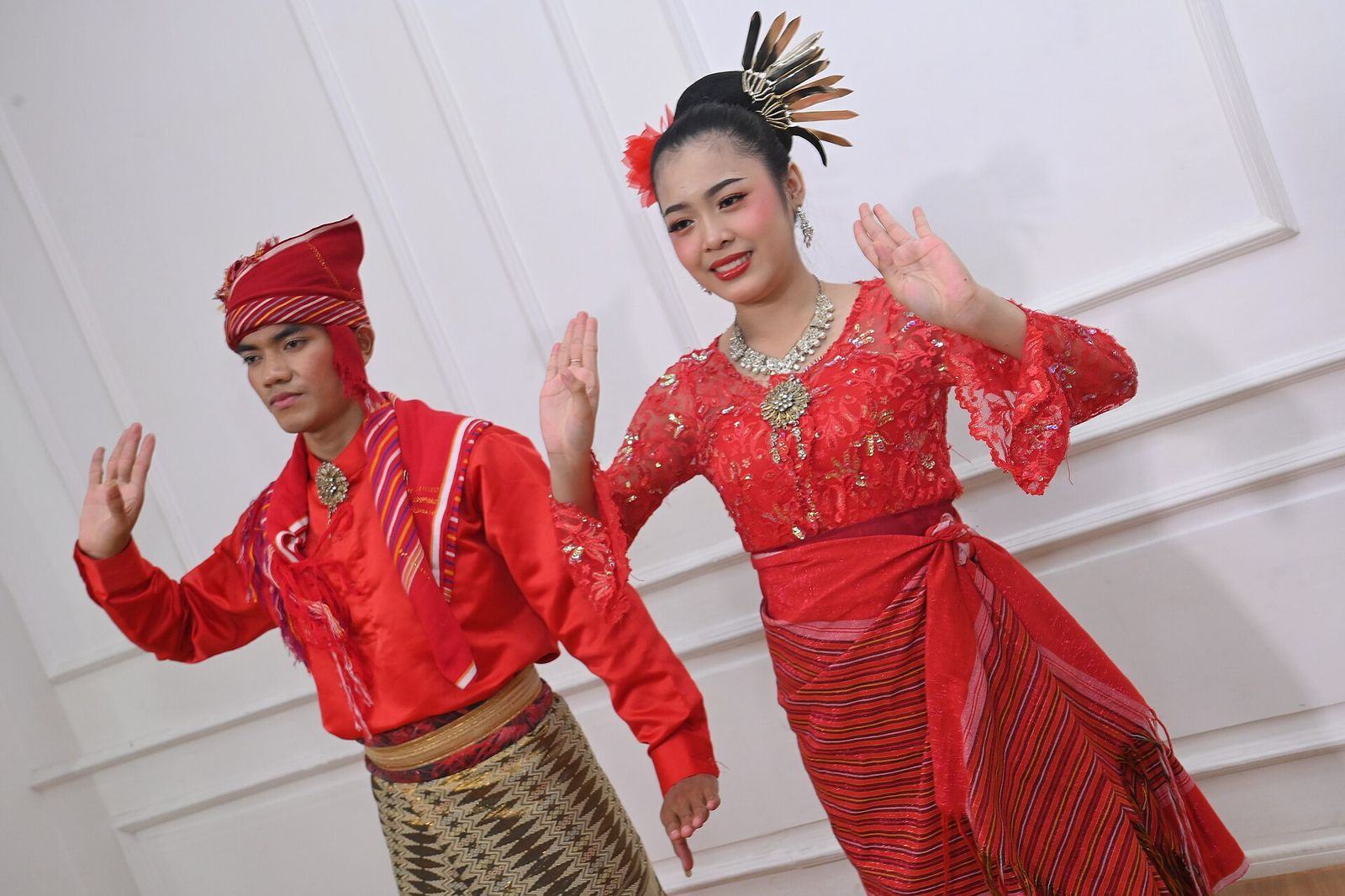 Foto: Sokokuphoto ·
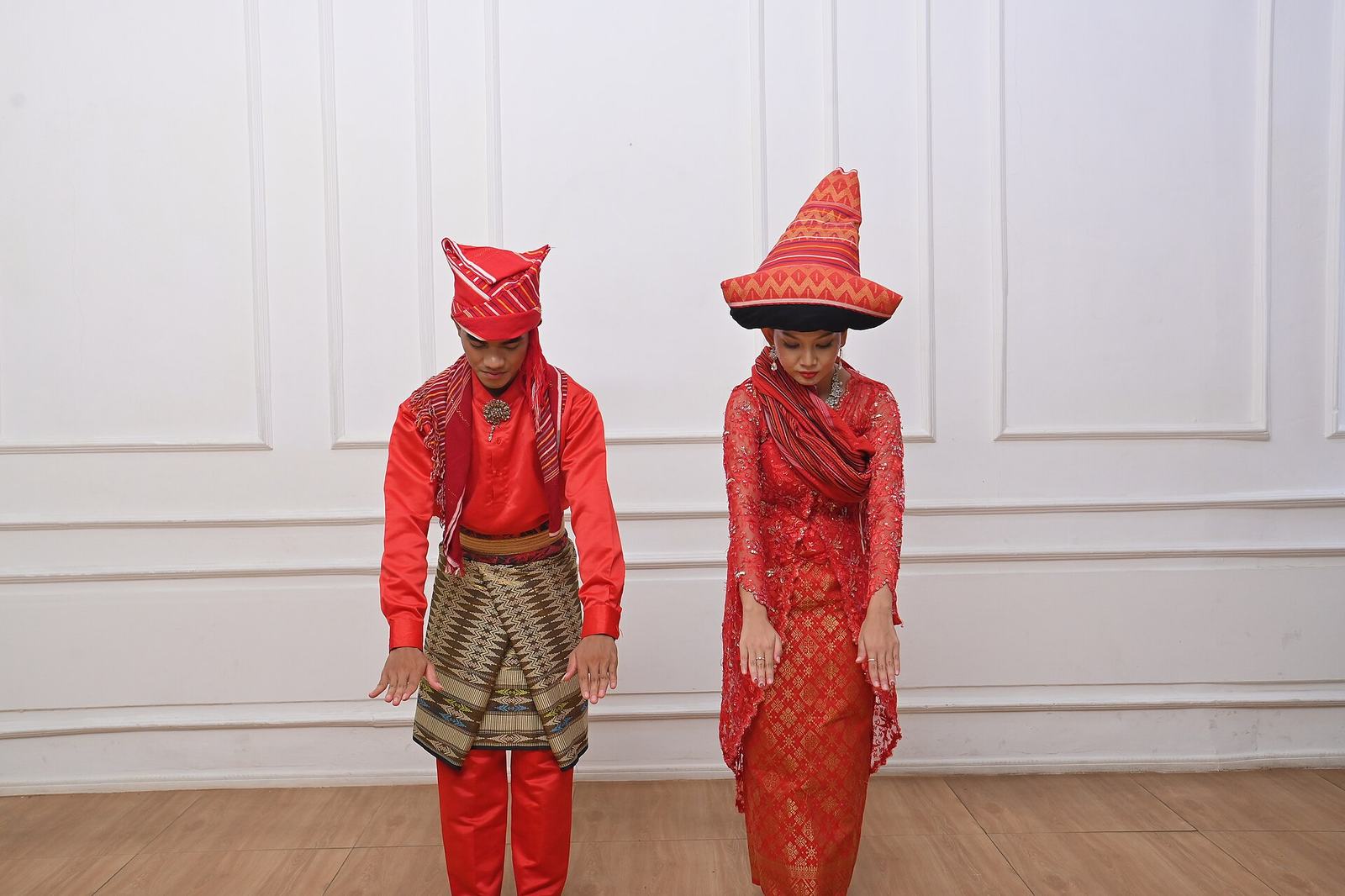 Foto: Sokokuphoto ·
Guro-guro Aron
A festival of the young people (aron) in the village hall (jambur), usually the high point of the harvest festival. Young couples dance (landek) to drums and perkolong-kolong singers. Listed as Indonesian intangible cultural heritage in 2018.
Source: Gendang guro-guro aron — Wikipedia
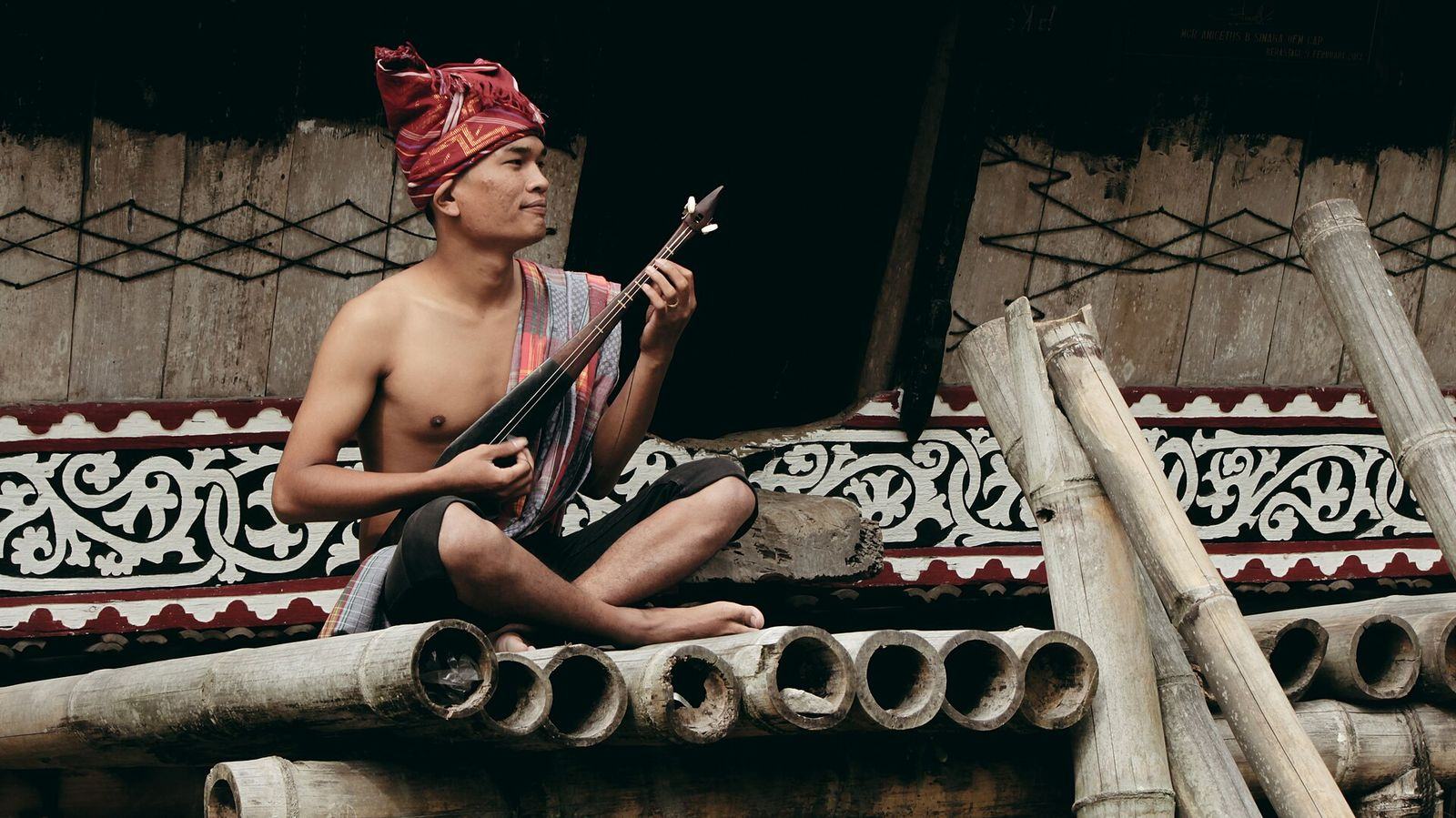 Foto: Stanley Sugiyata Seran ·
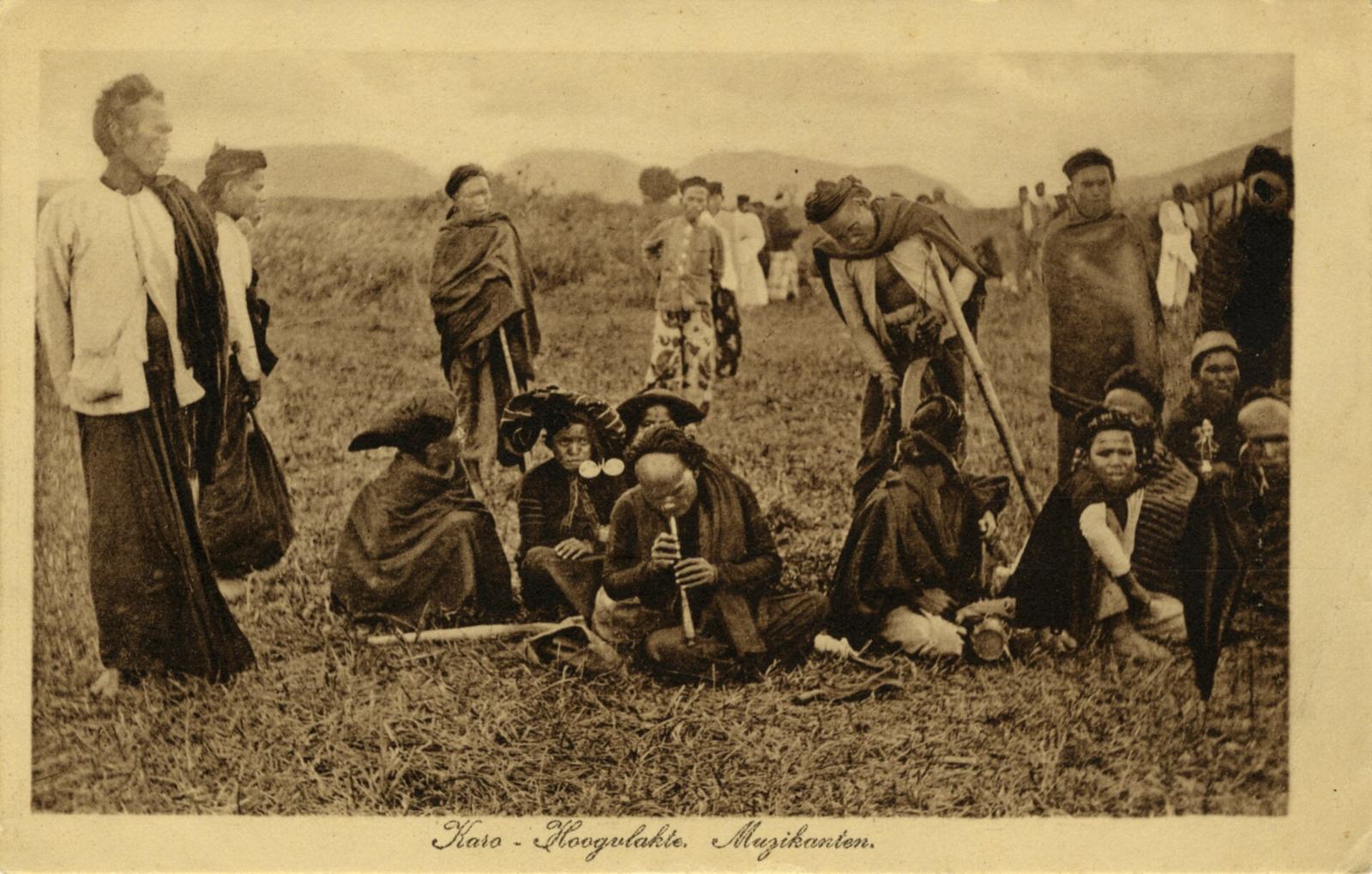 Foto: H. Mij. Hüttenbach & Co., Medan ·
Gendang Lima Sendalanen
Five instruments played together: sarune (melody), gendang singindungi, gendang singanaki, penganak and gung. The ensemble accompanies almost every Karo ceremony. The kulcapi lute is also typically Karo.
Source: Penyajian Musik Gendang Lima Sendalanen — Repositori Unimed
Erpangir Ku Lau
A ritual bath with citrus water at a spring or river to cleanse oneself and the family of misfortune, as thanksgiving or to ward off harm. Listed as Indonesian intangible cultural heritage since 2016.
Source: Erpangir ku lau — Wikipedia
Cimpa
A traditional cake of glutinous rice flour filled with coconut and palm sugar. Cimpa unung-unung is wrapped in singkut leaves and served at adat events; making cimpa is the activity of the sixth day of the harvest festival.
Source: Cimpa Unong Unong — Wikipedia
History
-
13th–17th c.
Kingdom of Haru (Aru)
A kingdom on the east coast of North Sumatra recorded in Chinese sources and the Nagarakretagama. Some historians link it to the Karo, others stress its Malay character — the question is still debated.
Source: Kerajaan Haru · Aru Kingdom — Wikipedia
-
Adat era
The five sibayak realms
The Karo highlands were divided into five realms ruled by a sibayak: Lingga, Sarinembah, Suka, Barusjahe and Kutabuluh, with raja urung and village heads below them.
Source: Pemerintahan Tradisional di Dataran Tinggi Karo — Jurnal Analisis Sejarah, Univ. Andalas (2024)
-
1904–1908
The Dutch enter the Karo highlands
The Dutch arrived in 1904 and set up a military post in Kabanjahe. The sibayak were forced to sign the Korte Verklaring; Kutabuluh resisted longest and only submitted in 1908.
Source: Pemerintahan Tradisional di Dataran Tinggi Karo — Jurnal Analisis Sejarah, Univ. Andalas (2024)
-
1852–1942
Kiras Bangun (Garamata)
A fighter from Batukarang who organised resistance across villages against the Dutch until he was exiled. In November 2005 he was named a National Hero of Indonesia.
Source: Kiras Bangun — Wikipedia
-
1920s
Berastagi, the hill resort
Cool Berastagi became a resort for Europeans on Sumatra's east coast — and the start of its reputation as a centre for vegetables and fruit.
Source: Berastagi — Wikipedia
-
8 March 1946
Founding day of Karo Regency
Karo Regency celebrates its founding day every year on 8 March. Its capital is Kabanjahe; today it has 17 districts.
Source: Kabupaten Karo — Wikipedia
-
31 July 1947
Scorched earth in the Karo land
During the first Dutch military aggression, residents and fighters burned Kabanjahe, Berastagi and 51 villages themselves before the Dutch arrived, so the enemy could not use them. The regency government moved to Tiga Binanga.
Source: Agresi I Militer Belanda — salinan teks Pemkab Karo
-
2010
Sinabung awakens
Mount Sinabung erupted in late August 2010 after more than a thousand years without an eruption.
Source: Gunung Sinabung · Mount Sinabung — Wikipedia
-
2013–2021
Sinabung's series of eruptions
Repeated eruptions since September 2013 claimed lives in 2014 and 2016; thousands of residents were relocated, among other places to Siosar.
Source: Gunung Sinabung — Wikipedia
Rakut Sitelu
Rakut sitelu, “the three bonds”, also called daliken sitelu: kalimbubu, senina and anak beru.
The wife-giving side. Honoured and regarded as the source of blessing.
Members of the same merga who stand by one another.
The wife-receiving side. They organise and serve at adat ceremonies.